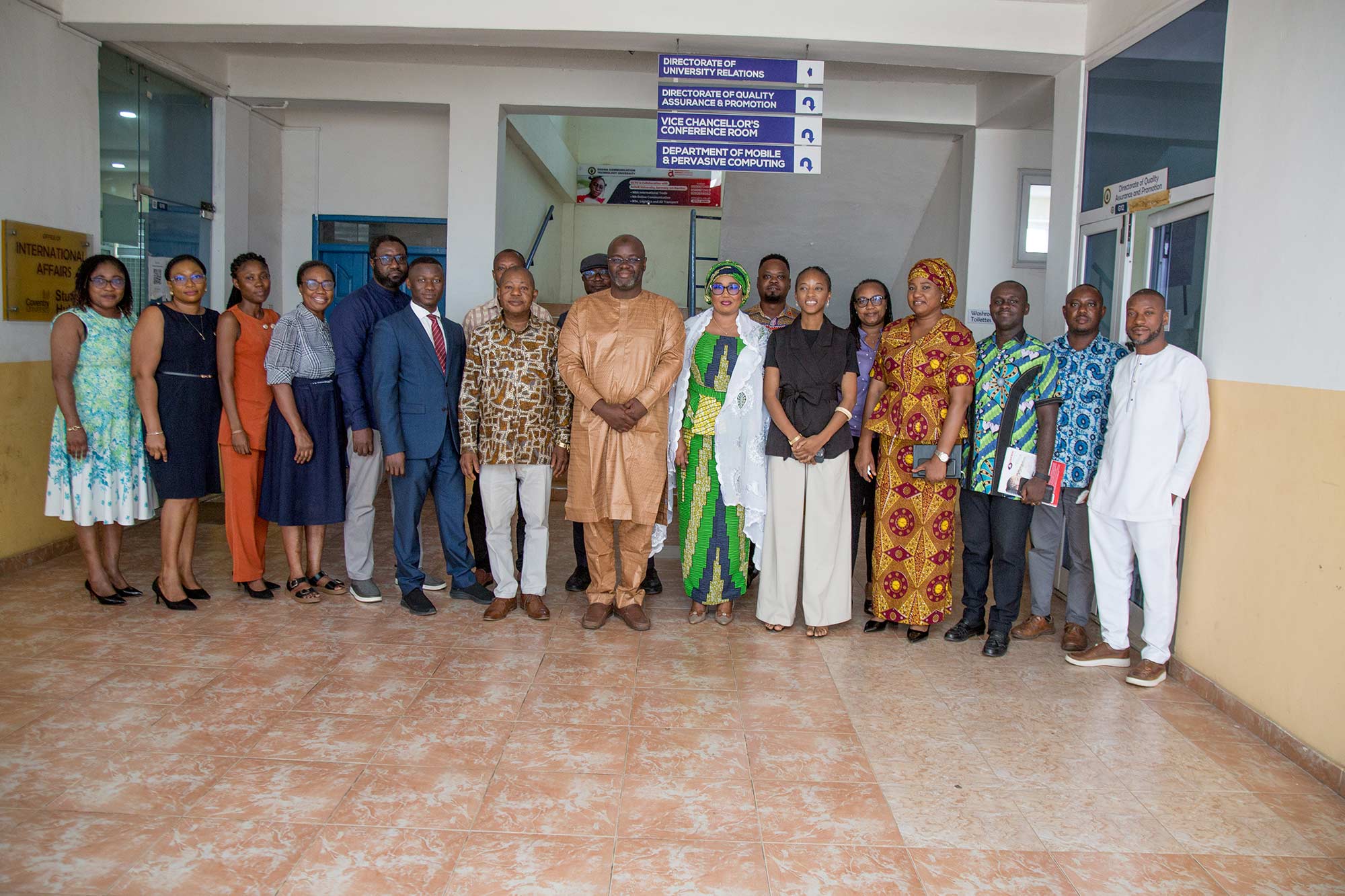

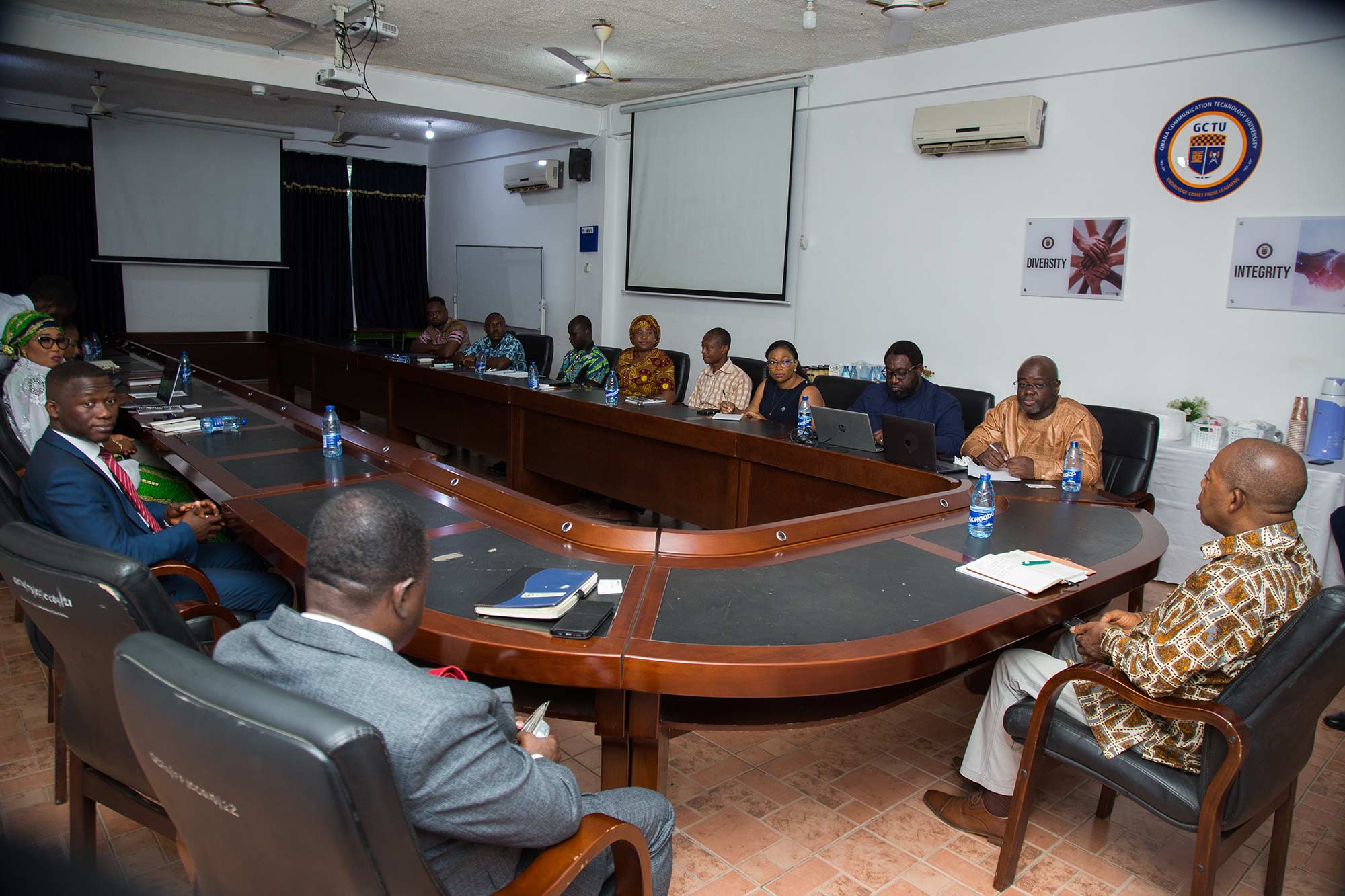
The Ghana Communication Technology University (GCTU) has welcomed a three-member delegation from Institut des Sciences Politiques, Relations Internationales et Communications (ISPRIC), Mali, for a three-day working visit from Monday, March 30 to Wednesday, April 1, 2026.
The visit forms part of efforts to operationalize a Memorandum of Understanding (MoU) signed between the two institutions in June 2025, aimed at fostering academic collaboration and institutional capacity building.
The visiting delegation was led by the Managing Director and Vice-Chancellor, Dr. Mohamad Gakou and included the Head of Co-operation, Professional Integration and Soft Skills, Alimata Cisse and the Coordinator of the Polytechnic and Interpreter, Ali Kame.
Strengthening Institutional Ties
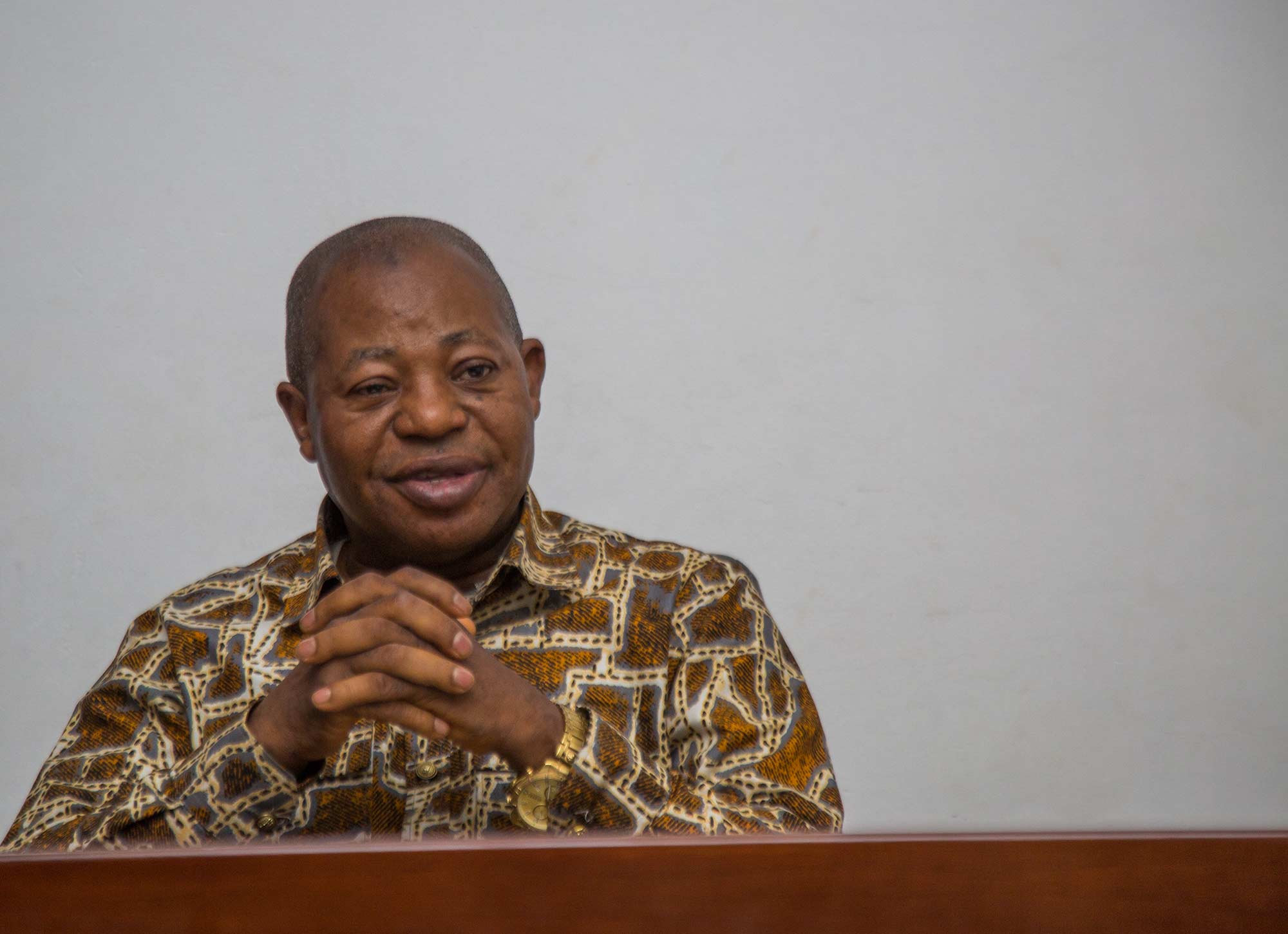
Welcoming the delegation, the Acting Vice-Chancellor of GCTU, Prof. Ebenezer Malcolm, highlighted that the visit follows an earlier engagement in Bamako and marks a significant step toward deepening collaboration between the two institutions.
He noted that the partnership is designed to enable ISPRIC to benefit from GCTU’s academic expertise, particularly in Telecommunications Engineering and Electrical and Electronic Engineering, while also building capacity to independently run similar programmes in the future. A key component of the collaboration will focus on enhancing English language proficiency among ISPRIC students to facilitate participation in GCTU’s programmes.
Academic and Professional Collaboration
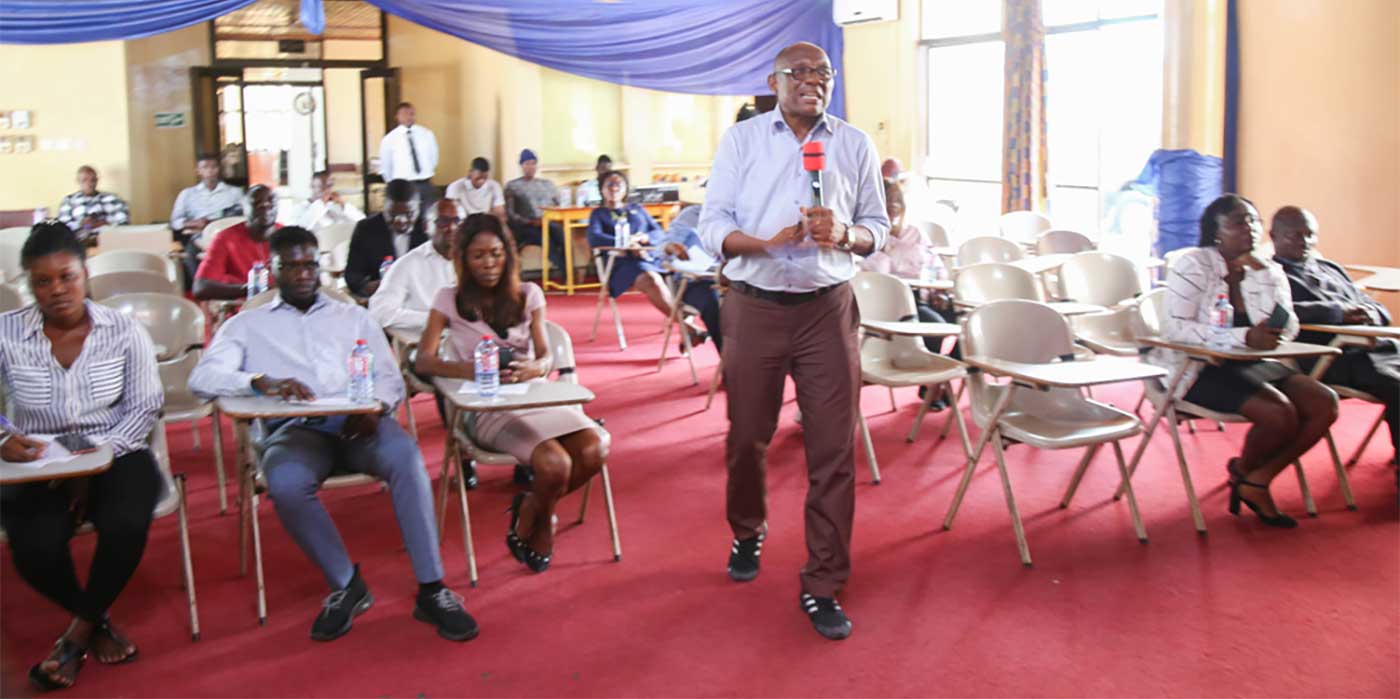
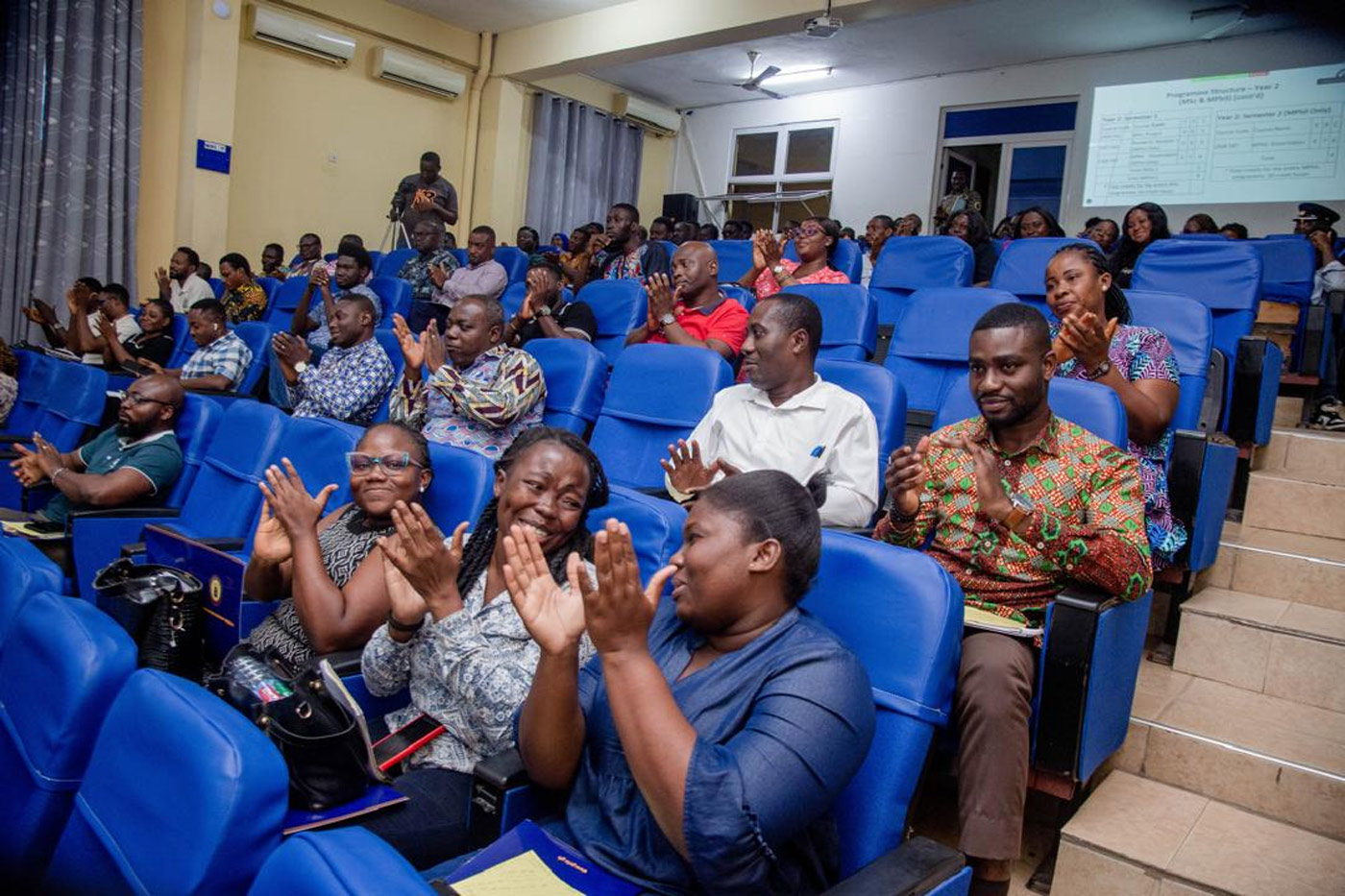
During the meeting, faculty and management of GCTU presented their respective units and outlined areas of potential collaboration. The Faculty of Engineering, led by Dr. Ruhiya Abubakar, emphasized its readiness to support the rollout of telecommunications engineering programmes as an entry point for ISPRIC students.

The Centre for Strategic Business and Professional Development (CSBPD), represented by the Director, Mrs. Araba Hackman Akanji, showcased opportunities for partnership in professional training, soft skills development and industry engagement – areas both institutions identified as critical to producing well-rounded graduates.
Similarly, the Institute of Continuing and Distance Education (ICDE), led by Dr. Frank Loglo, highlighted GCTU’s robust blended learning model, which combines 70% online and 30% face-to-face delivery. The Institute also demonstrated its capacity to deliver programmes to international students through advanced learning management systems, learner support services and online assessment tools.
Digital Learning and Innovation
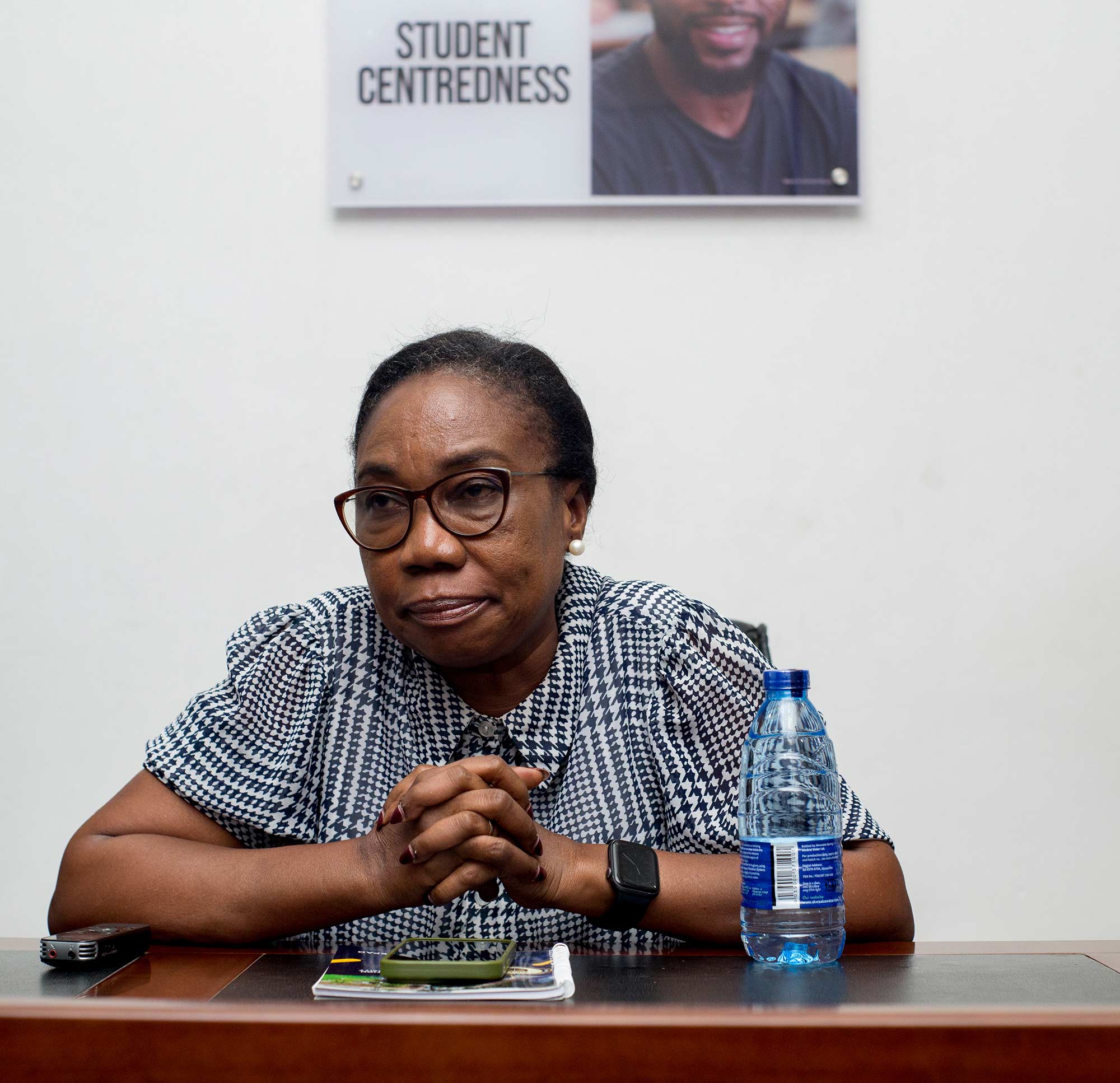
The delegation was introduced to GCTU’s digital learning infrastructure, including its Learning Management Systems and online facilitation tools, which support over 5,000 students. The university also demonstrated its innovative approach to teaching practical engineering courses through a combination of simulation software, structured laboratory work and hands-on project development.
In addition, the delegation explored opportunities in transnational education, PhD programmes and international student support systems, which enable learners across different countries to access GCTU’s academic programmes.
Student Welfare and Support Services
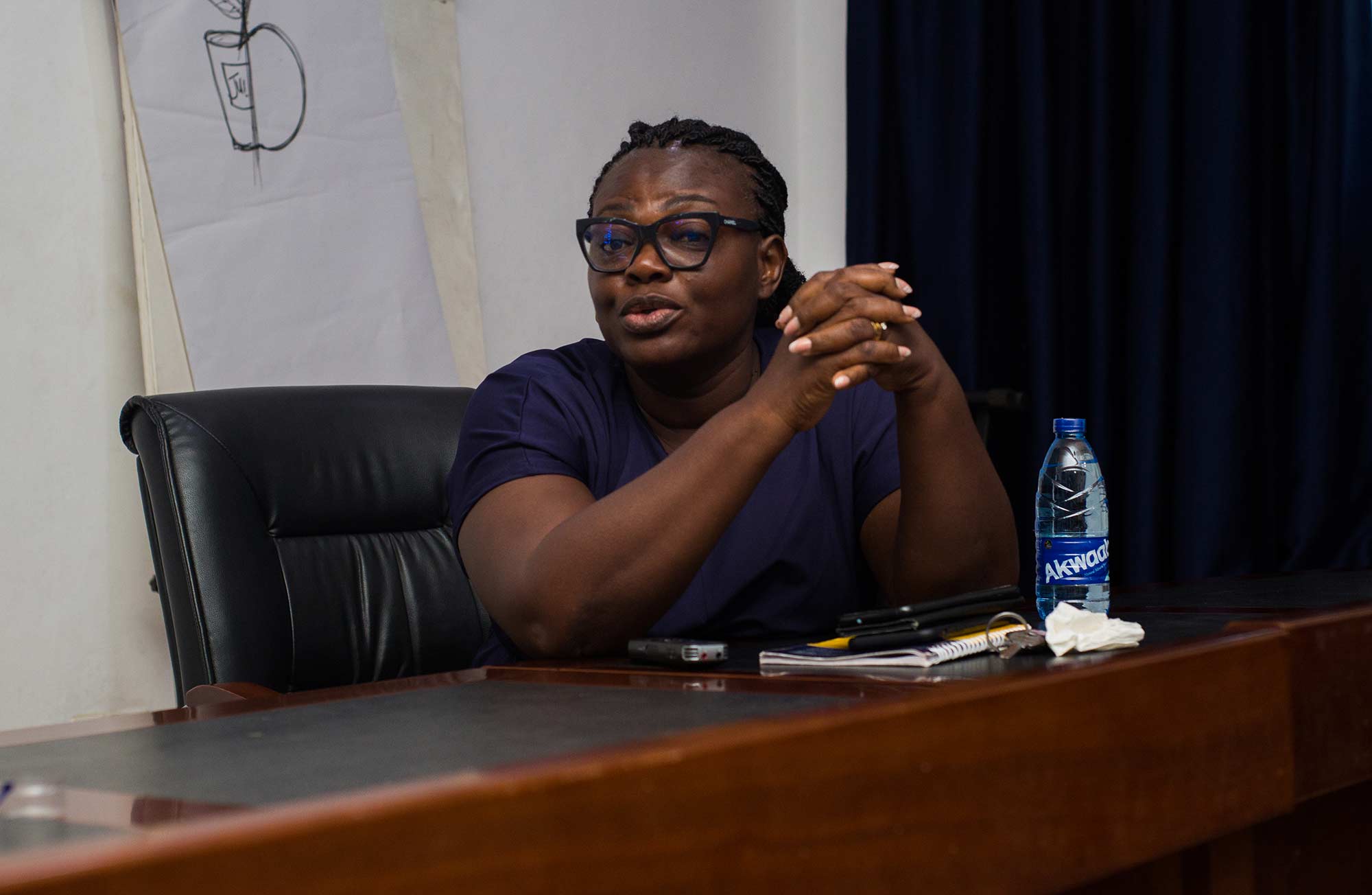
GCTU’s commitment to student welfare was also highlighted during the engagement. The Dean of Student Affairs, Prof. Emelia Amoako Asiedu, outlined the University’s support systems, including accommodation arrangements, counselling services, health services and student leadership structures.
She noted that international students are integrated into existing student groups and provided with the necessary support to ensure their safety, well-being and academic success.
Regulatory and Quality Assurance Framework
Discussions also touched on Ghana’s regulatory framework for tertiary education, overseen by the Ghana Tertiary Education Commission (GTEC). GCTU officials explained that all programmes, including distance learning, are accredited and monitored to ensure quality and parity between online and face-to-face delivery.
The University further emphasized its commitment to quality assurance, intellectual property protection for course materials and adherence to international best practices in higher education delivery.
Vision for the Future
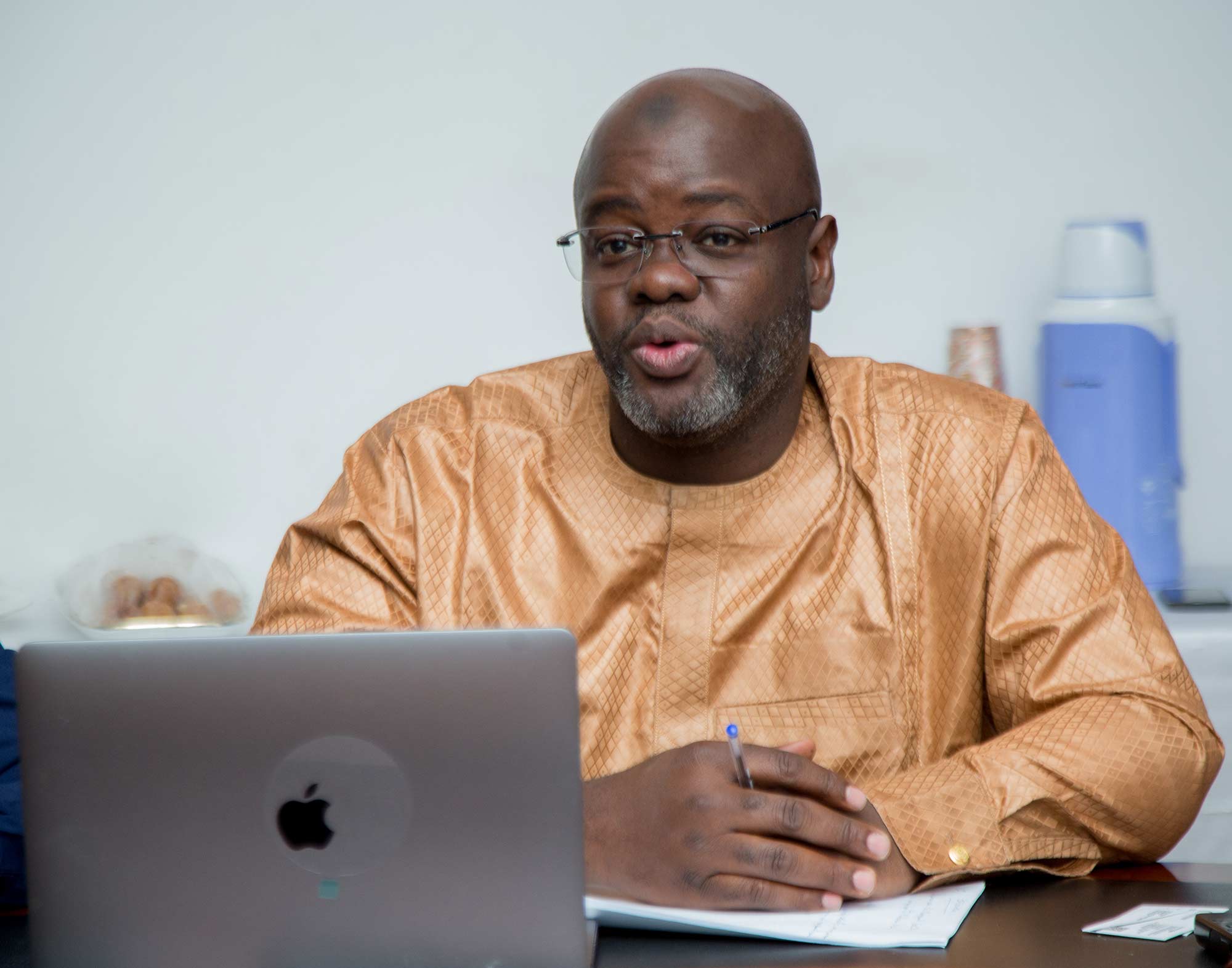
In his remarks, Dr. Gakou expressed appreciation for the warm reception and the depth of engagement during the visit. He noted that the collaboration presents significant opportunities for knowledge exchange, joint programme development and capacity building.
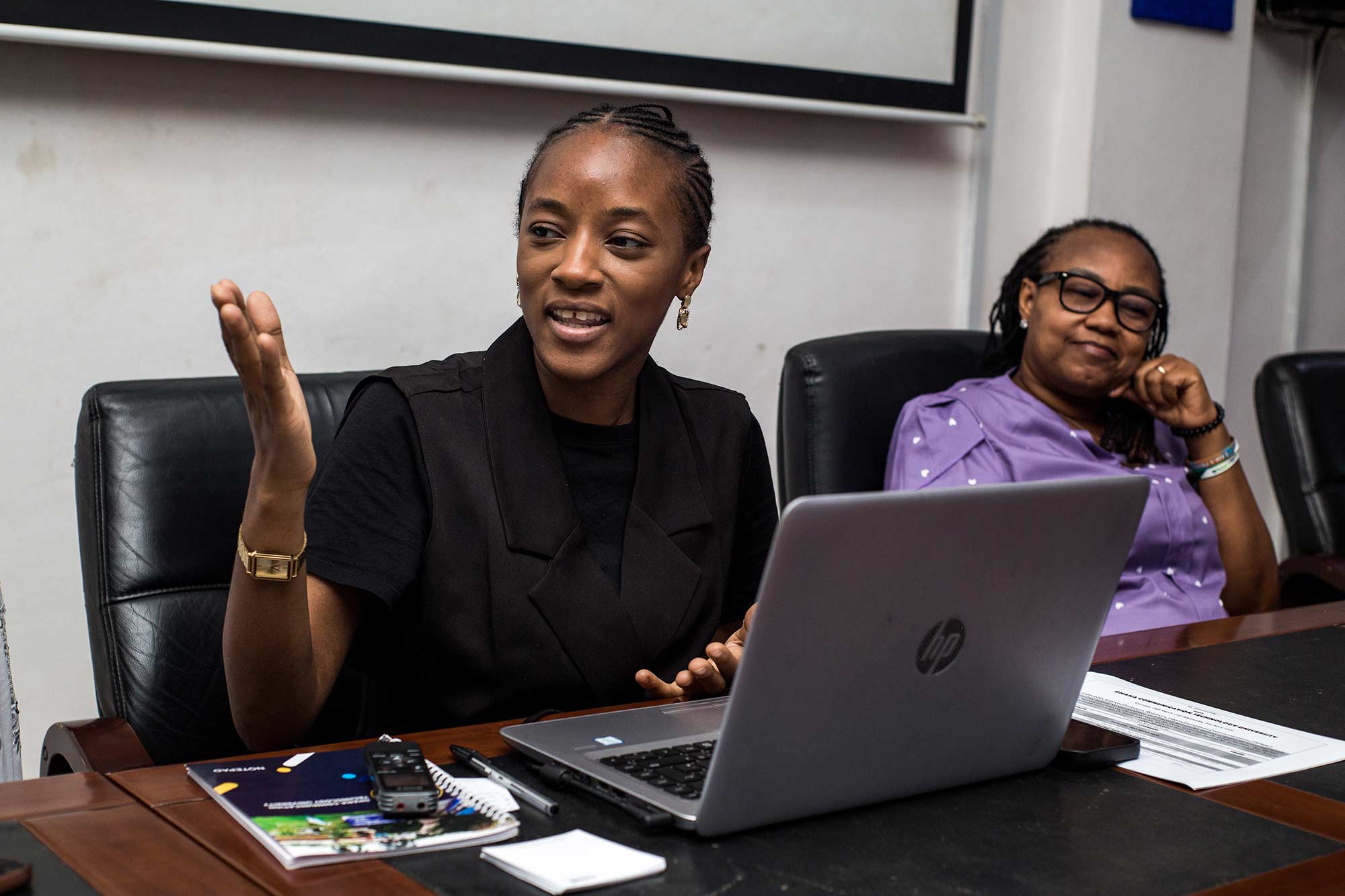
Madam Alimata Cisse also underscored the importance of integrating soft skills and industry partnerships into academic programmes, highlighting strong alignment between the two institutions’ visions.
Both institutions reaffirmed their commitment to leveraging the partnership to enhance teaching, learning and research, while creating opportunities for students and faculty across Ghana and Mali.
The visit is expected to culminate in practical sessions, departmental engagements and further discussions to define implementation strategies for the MoU.