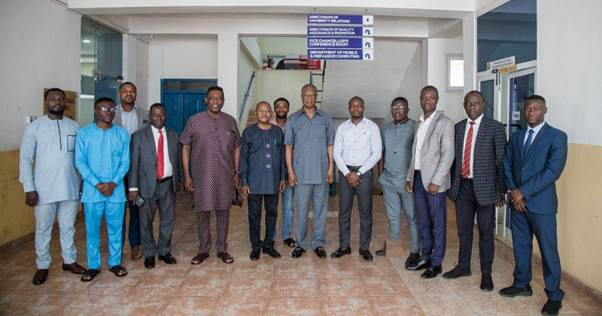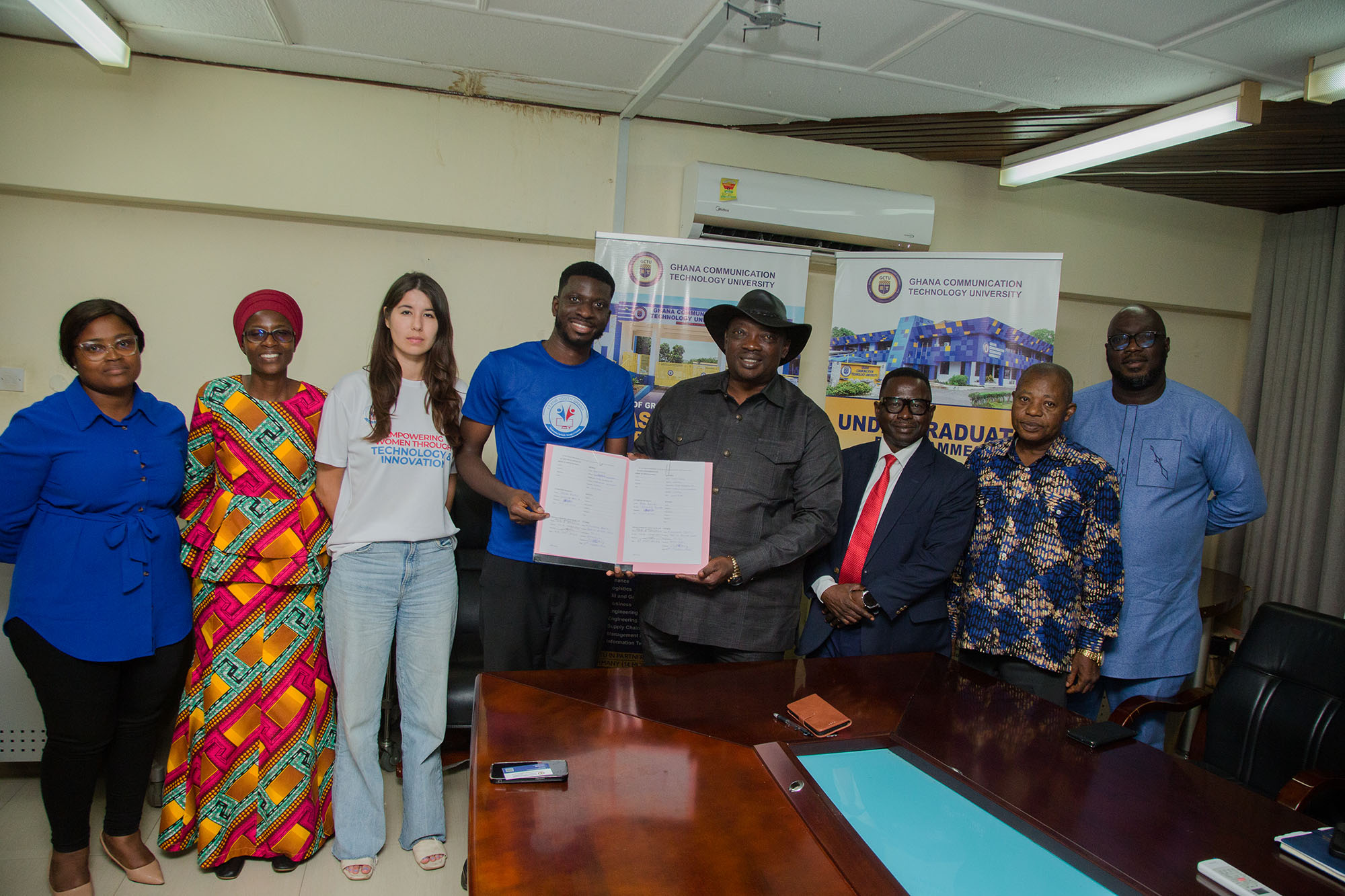


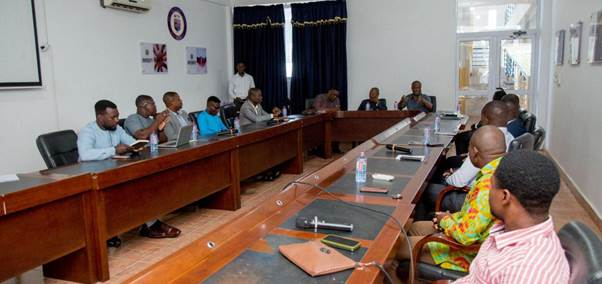
In a strategic move to advance digital transformation and strengthen academia-industry collaboration, Ghana Communication Technology University (GCTU) has hosted a high-level delegation from CELTEL Network for a pivotal engagement session aimed at redefining the future of technology-driven education in Ghana.
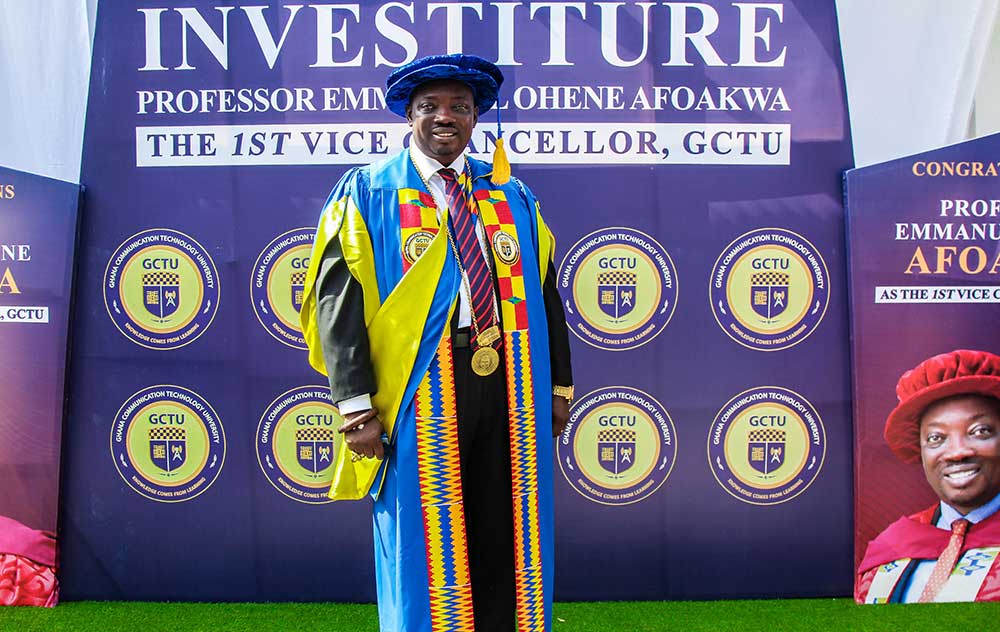
The meeting, chaired by senior university leadership, including the Acting Vice-Chancellor, Prof. Ebenezer Malcalm, brought together key stakeholders from both academia and industry. The session began with introductions, setting the tone for a collaborative dialogue centered on innovation, policy and capacity development.
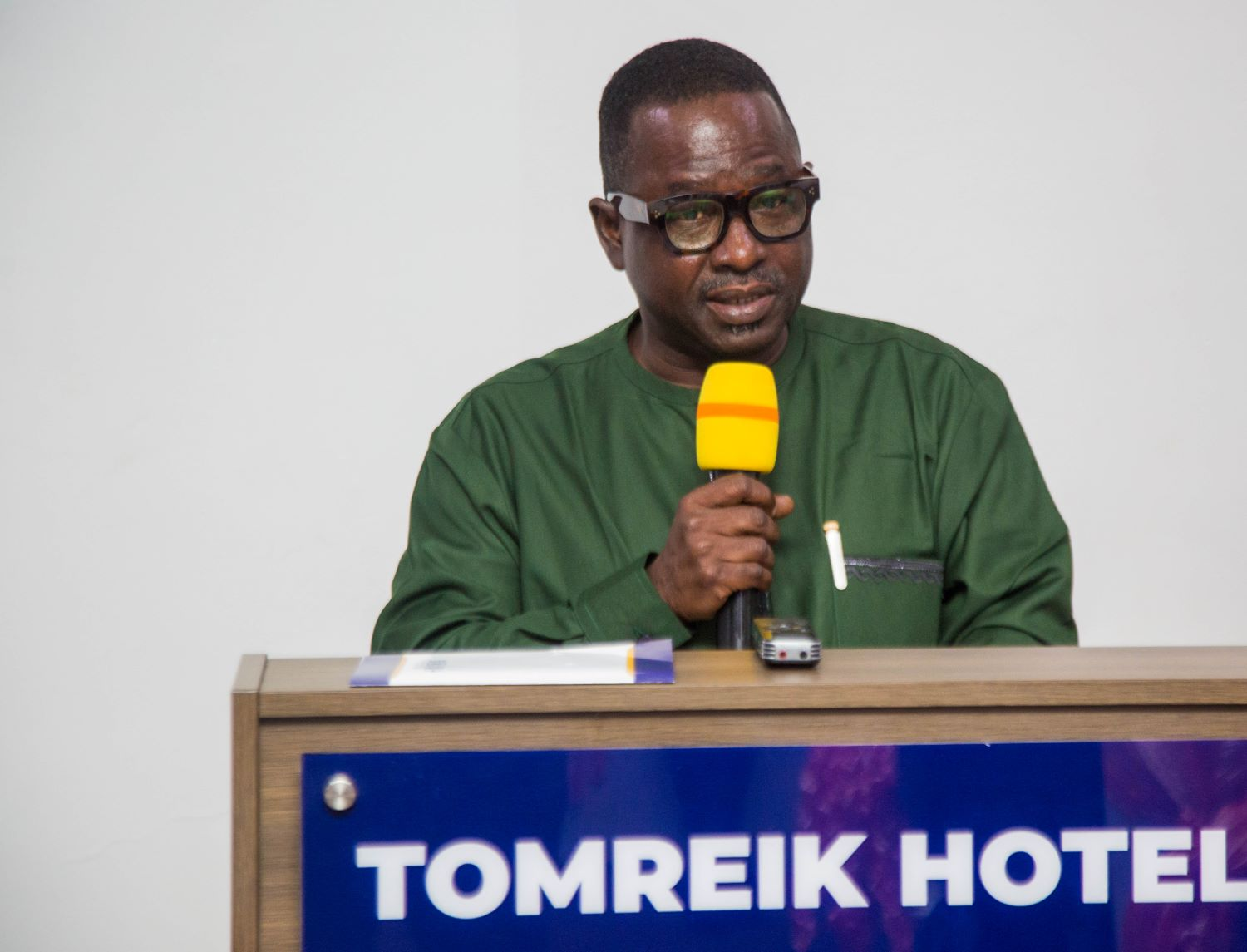
Leading the CELTEL delegation, Chairman Dr. Prince Kofi Kludjeson, delivered an insightful presentation, tracing the evolution of Ghana’s ICT landscape and his instrumental role in shaping foundational policies and institutions within the sector. He highlighted the urgent need for Ghana and Africa at large, to transition from traditional economic models to a digitally-driven knowledge economy.
Drawing from decades of experience in global technology ecosystems, he emphasized that education remains the cornerstone of sustainable development. He noted that while Ghana has made strides in expanding access to education, significant gaps persist in aligning academic training with industry demands, particularly in emerging technologies.
A central theme of the discussion was the concept of “talent-based, technology-enabled education.” CELTEL outlined a bold vision to:
- Establishment of smart campus infrastructure (Internet)
- Provision of digital devices (Laptops) to students and Staffs
- Development of industry-aligned training programmes (Microsoft Cisco Certificates)
Collaboration on national digital transformation initiatives (starting from Districts and Communities)
The delegation also revealed ongoing initiatives, including multimillion-dollar investments in educational technology, deployment of digital devices to students and partnerships aimed at fostering innovation ecosystems across Africa.
Particular emphasis was placed on positioning GCTU as a hub for digital transformation, not only within Ghana but across the West African sub-region. The university was encouraged to take a leading role in:
- Driving smart campus initiatives
- Supporting national digital policies
- Producing globally competitive graduates ready for the evolving job market
The discussion further underscored the importance of collaboration between universities, government and private sector actors in addressing youth unemployment and bridging the digital divide. With millions of young people entering the workforce annually, stakeholders agreed that scalable, technology-driven solutions are critical.
The CELTEL team concluded by proposing the formation of a joint working committee to identify priority areas and develop actionable implementation strategies tailored to the university’s needs.
This engagement marks a significant step toward transforming Ghana’s educational supply chain, reinforcing GCTU’s commitment to innovation and positioning it as a leader in shaping the digital future of Africa.