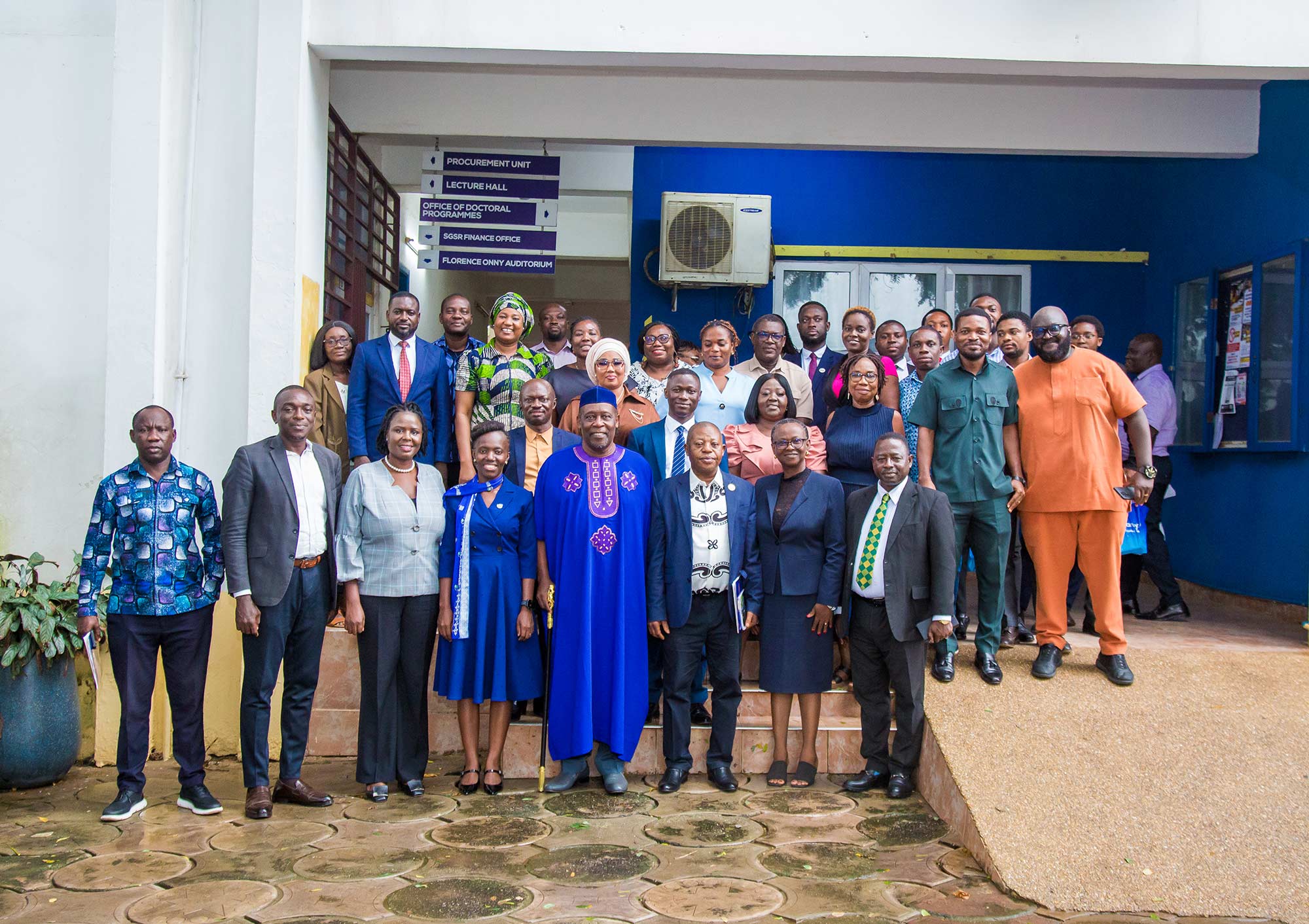

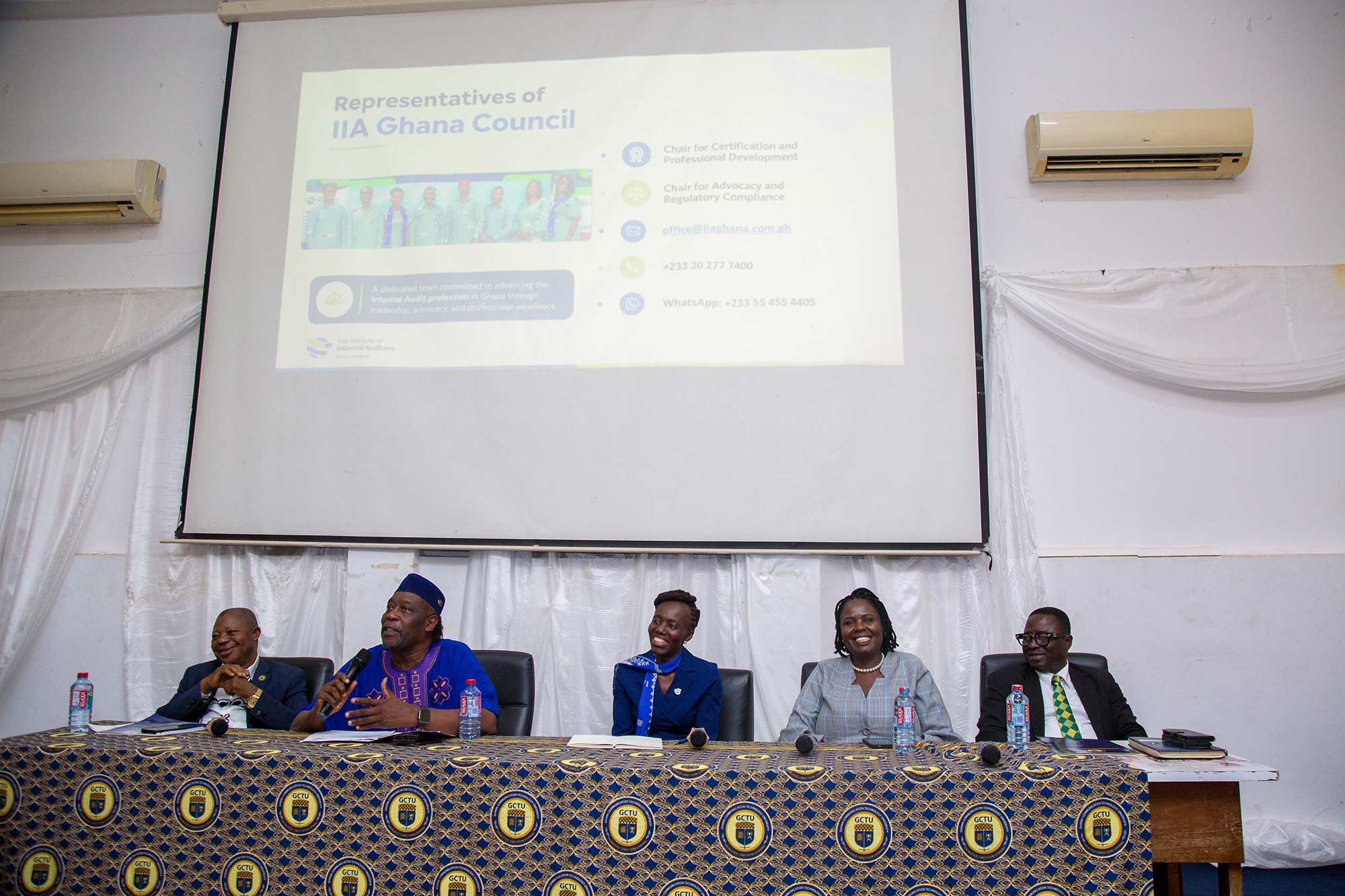
The Directorate of Internal Audit, GCTU, in collaboration with the Institute of Internal Auditors, has held an Internal Audit Awareness Seminar on May 25, 2026, at the Florence Onny Auditorium, Tesano Campus.
The seminar, which was held to mark Internal Audit Awareness Month 2026, was on the theme, “Internal Audit Awareness by Stakeholders: A Tool for Effective Governance and Accountability.” The event aimed to increase staff awareness of the importance of internal auditing in fostering transparency, accountability, risk management and good governance.
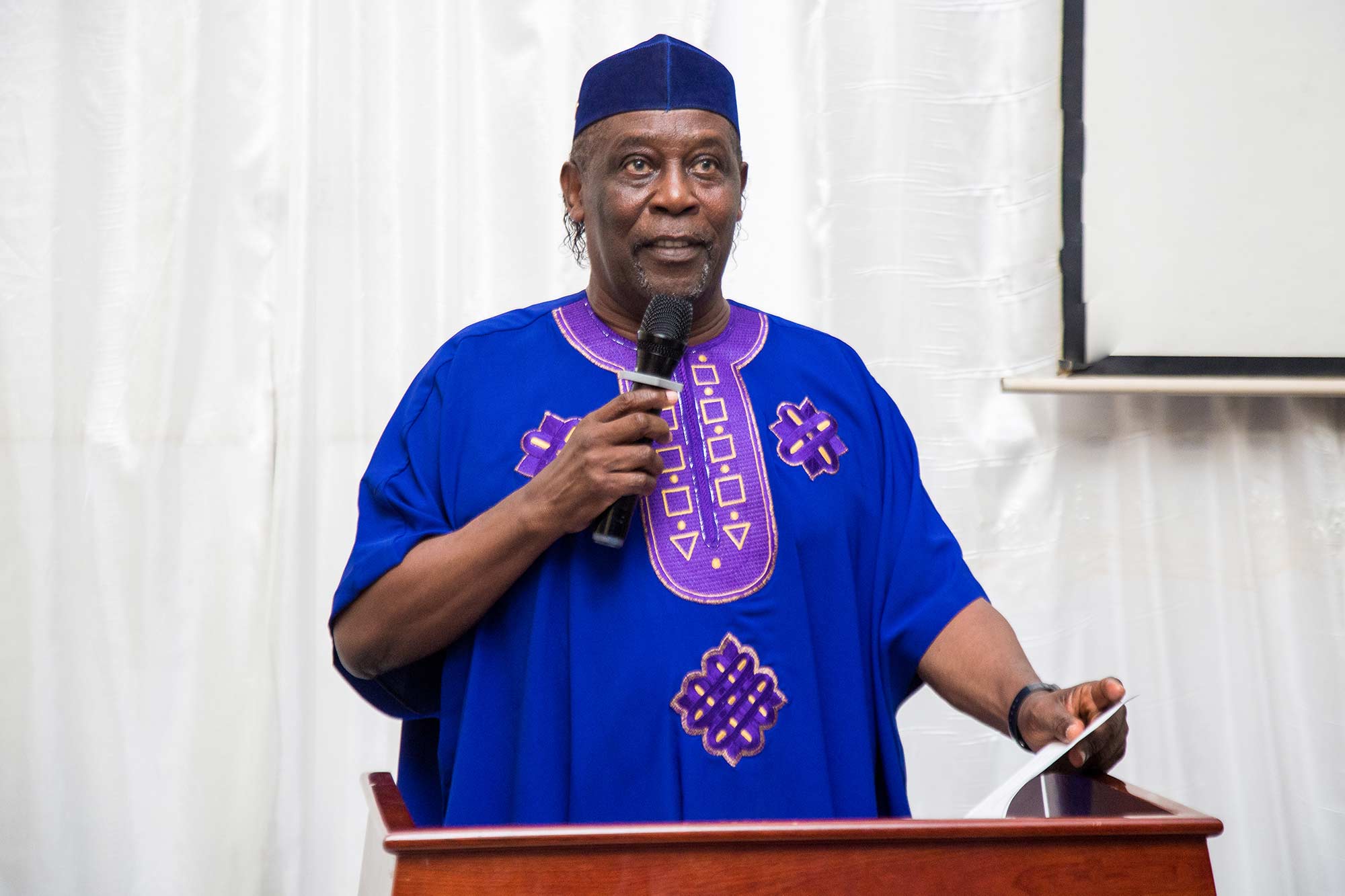
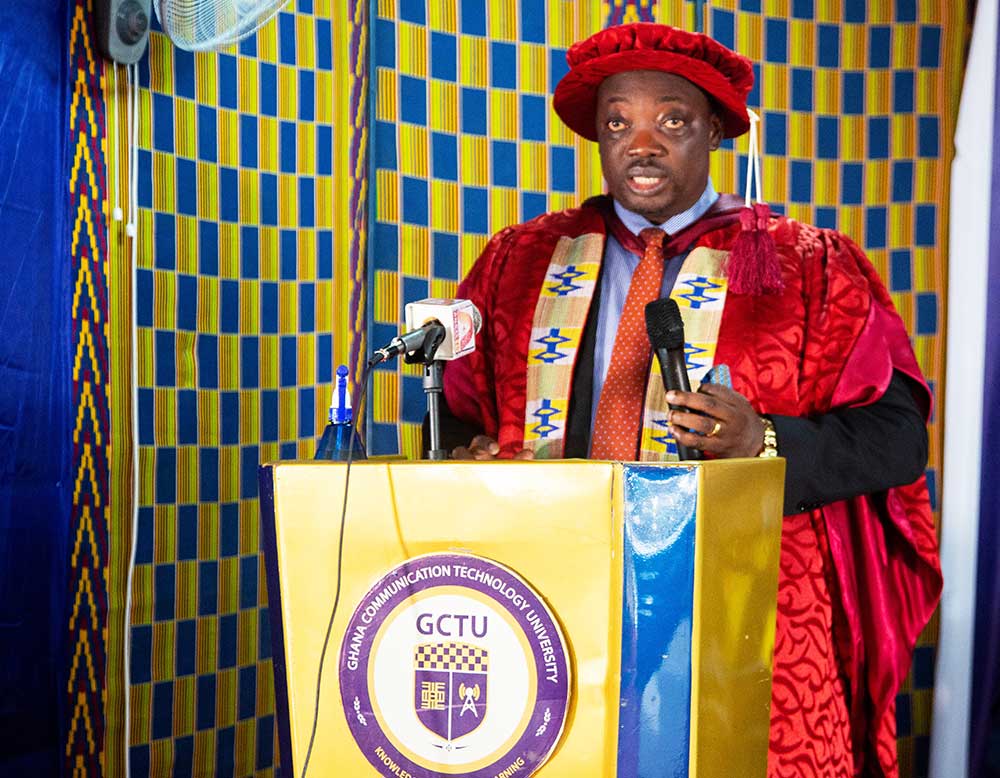
Delivering the opening address, the Chairman of the Governing Council, Ing. Divine D. K. Kpetigo, highlighted the Internal Audit function as a key oversight mechanism that provides assurance on financial management, internal controls, risk management, compliance and audit processes. According to him, such assurance promotes transparency, efficiency and accountability. He emphasized the need for greater stakeholder awareness of Internal Audit to strengthen good governance and organizational performance and encouraged participants to actively engage in the seminar and benefit from the insights shared by the resource persons.
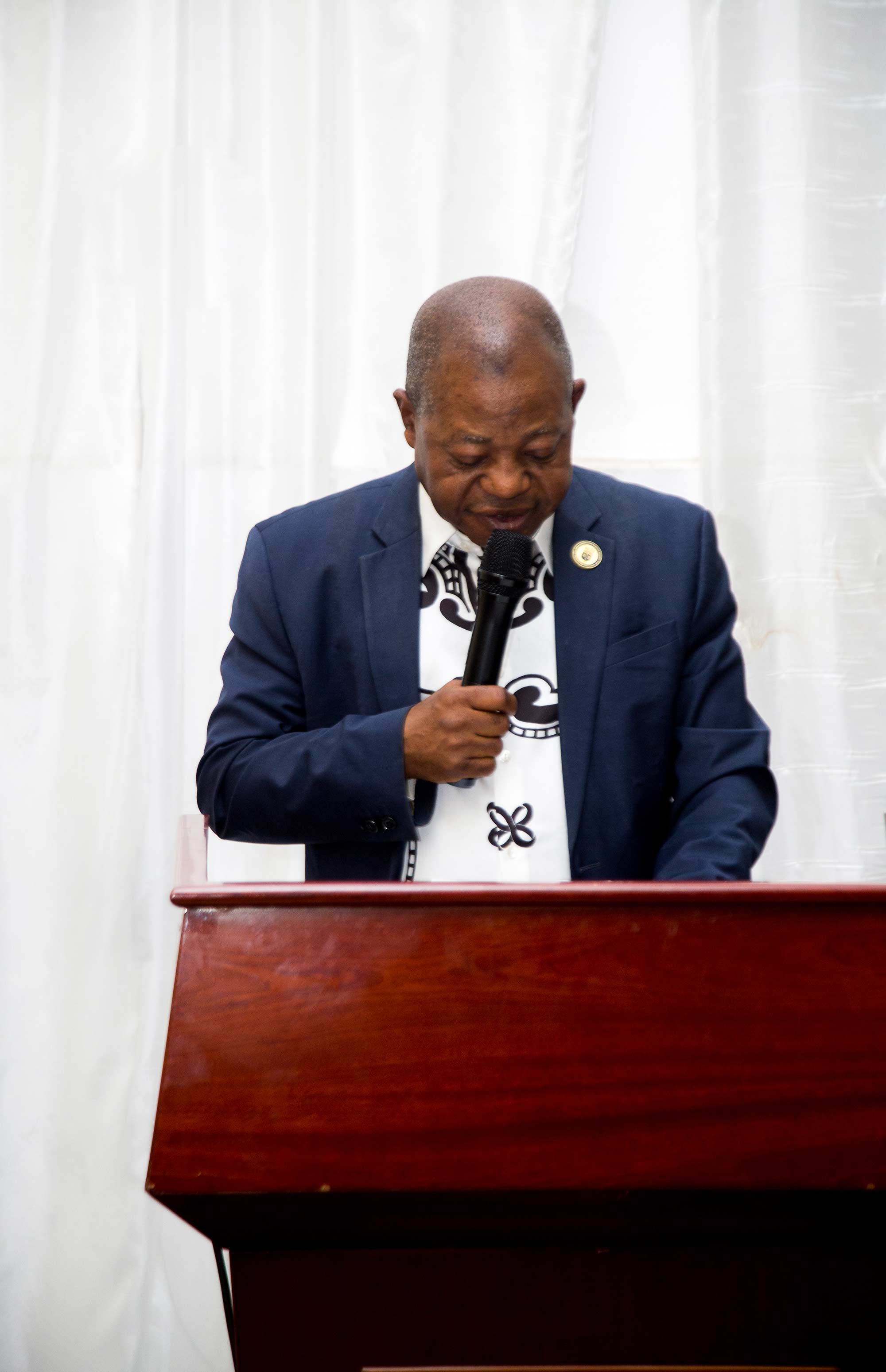
Delivering remarks on the purpose of the seminar, the Acting Vice-Chancellor, Professor Ebenezer Malcalm stated, that the programme was organized to enhance awareness and understanding of the internal audit process. He noted that internal audit is essential for the responsible management of institutional resources and effective risk management. Professor Malcalm further emphasized that good governance and accountability require the commitment and cooperation of all stakeholders, not just internal auditors.
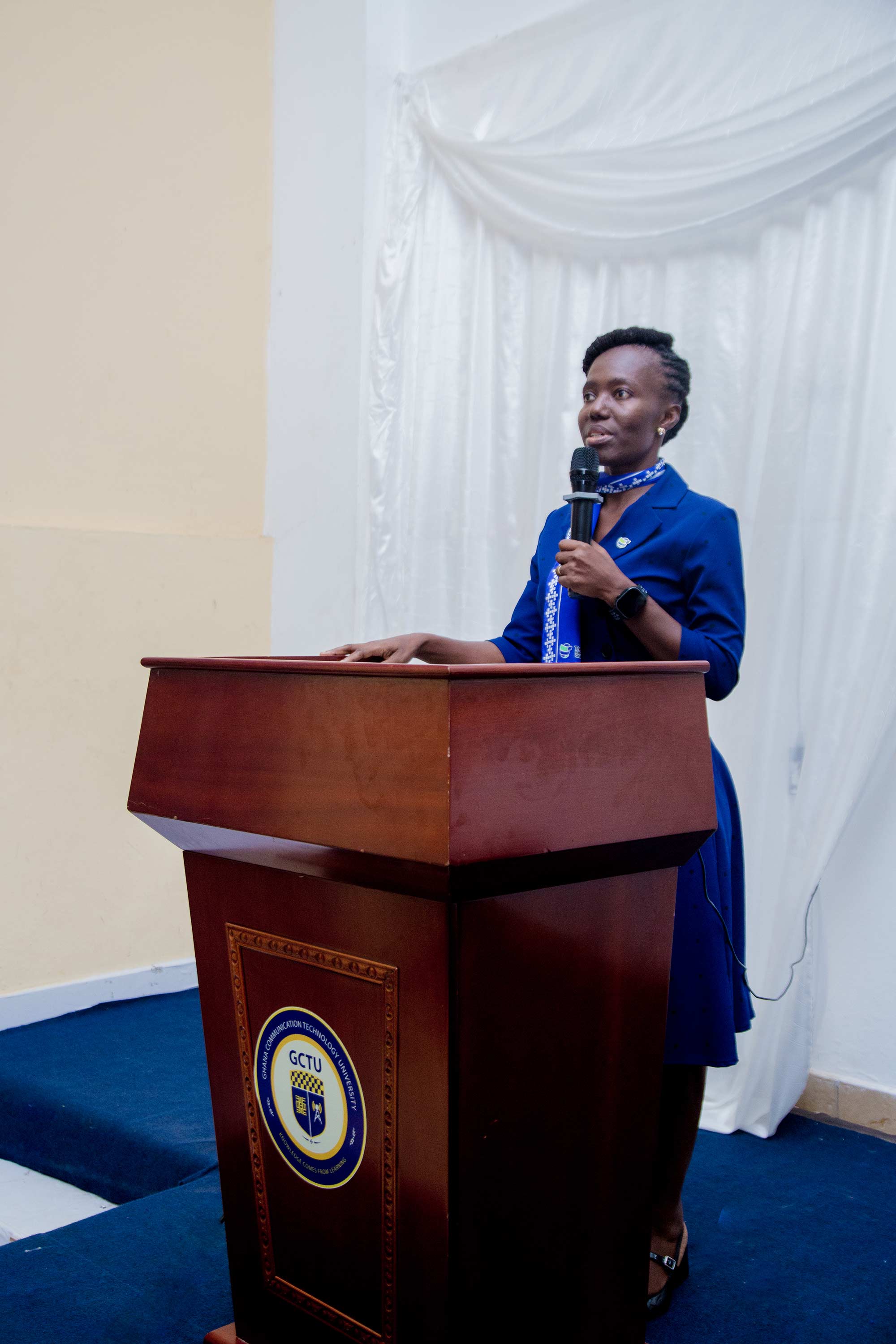
In her presentation, a Senior Manager, Governance, Risk and Compliance at KPMG, Mrs. Elizabeth Kwarteng-Tei, provided an overview of the Internal Audit function and emphasized the conditions necessary for its effectiveness and independence. The Presenter, who is also a Member of the Institute of Internal Auditors Ghana, highlighted the internal audit role in enhancing governance, improving operational efficiency and strengthening risk management and control systems. Mrs. Kwarteng-Tei further discussed the roles of key stakeholders in the audit process and outlined potential audit-related risks and strategies for mitigating them to support effective governance and accountability.
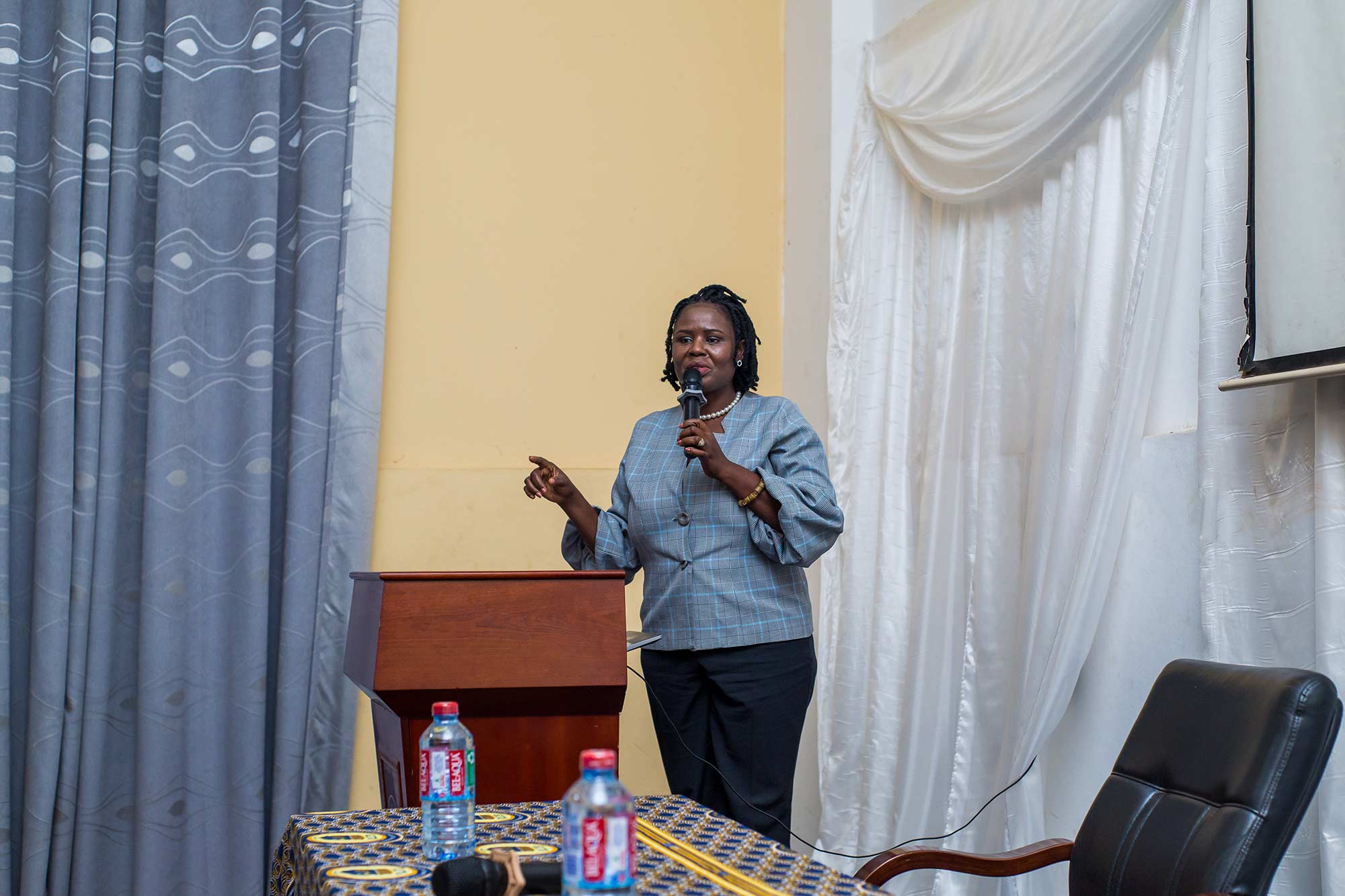
In a related presentation, the Chair of Certification and Professional Development, Mrs. Brenda Mills-Pappoe, provided an overview of the Global Internal Audit Standards and their importance in promoting effective governance and accountability. Mrs. Mills-Pappoe, who is a Council Member of the Institute of Internal Auditors, underscored the need for adequate resources to ensure an effective and independent Internal Audit function and discussed key challenges facing internal auditors, as well as strategies for addressing them.
The seminar concluded with an interactive question-and-answer session, during which participants sought clarification on issues raised during the presentations. It brought together staff, industry professionals and policy leaders to discuss the role of Internal Audit in promoting effective governance and accountability.