
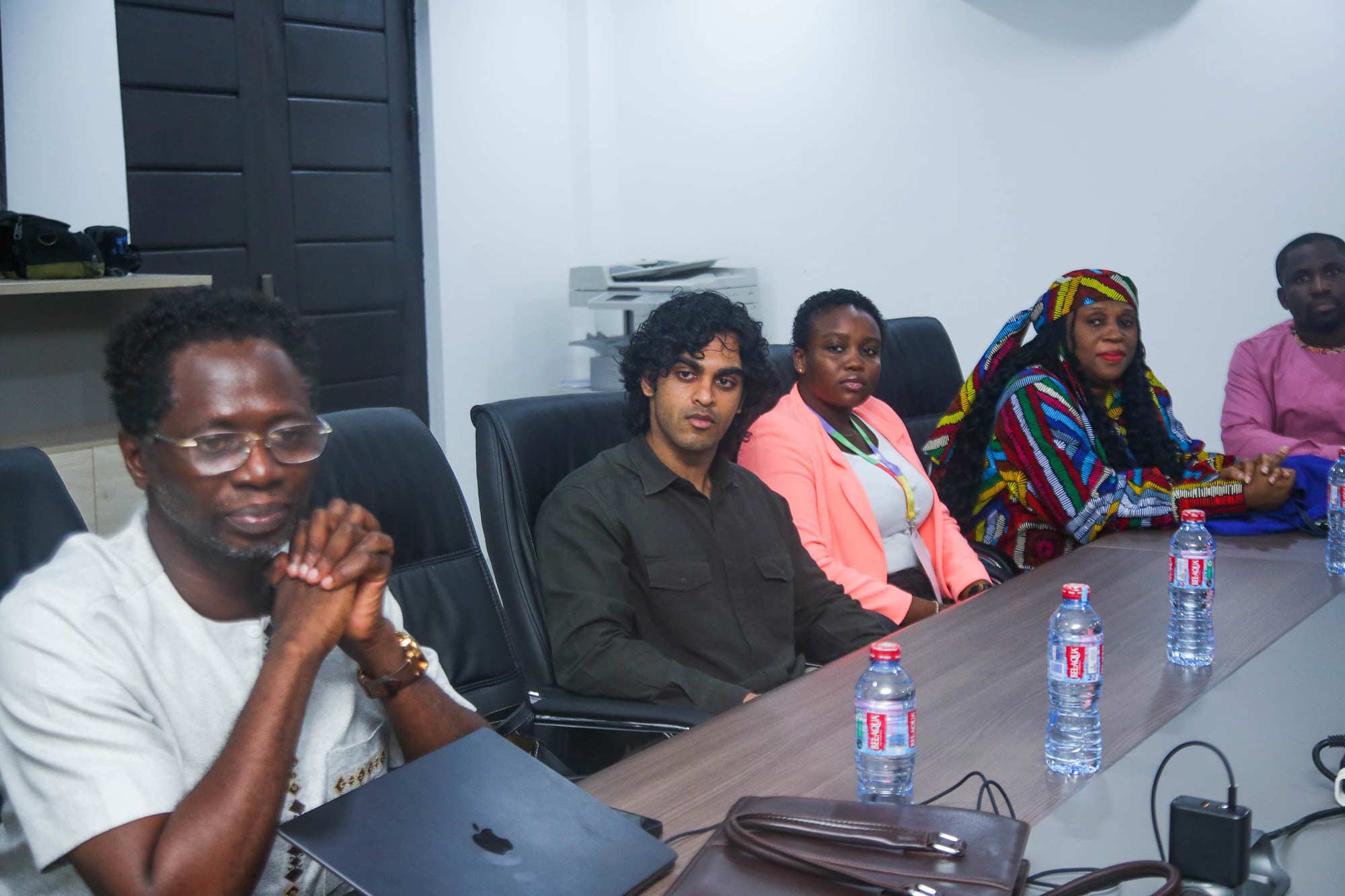
A delegation from the FATE Foundation has paid a courtesy call on the Management of the GCTU, on Monday, August 24, 2026, as a prelude to the Africa AI Upskilling programme which is being hosted by the University.
The delegation, led by the Head of Digital Innovation at FATE Foundation and Project Manager of the Africa AI Upskilling Programme, Ms. Oluchi Johnson-Achibiri, met with University Management to formally brief them on the programme and strengthen the partnership between the University and the Foundation.
The programme, which is supported by Google through the FATE Foundation in Nigeria, will train students on Google DeepMind AI courses. The participating universities are GCTU, Kwame Nkrumah University of Science and Technology (KNUST), University of Education, Winneba (UEW) and University of Ghana, Legon.
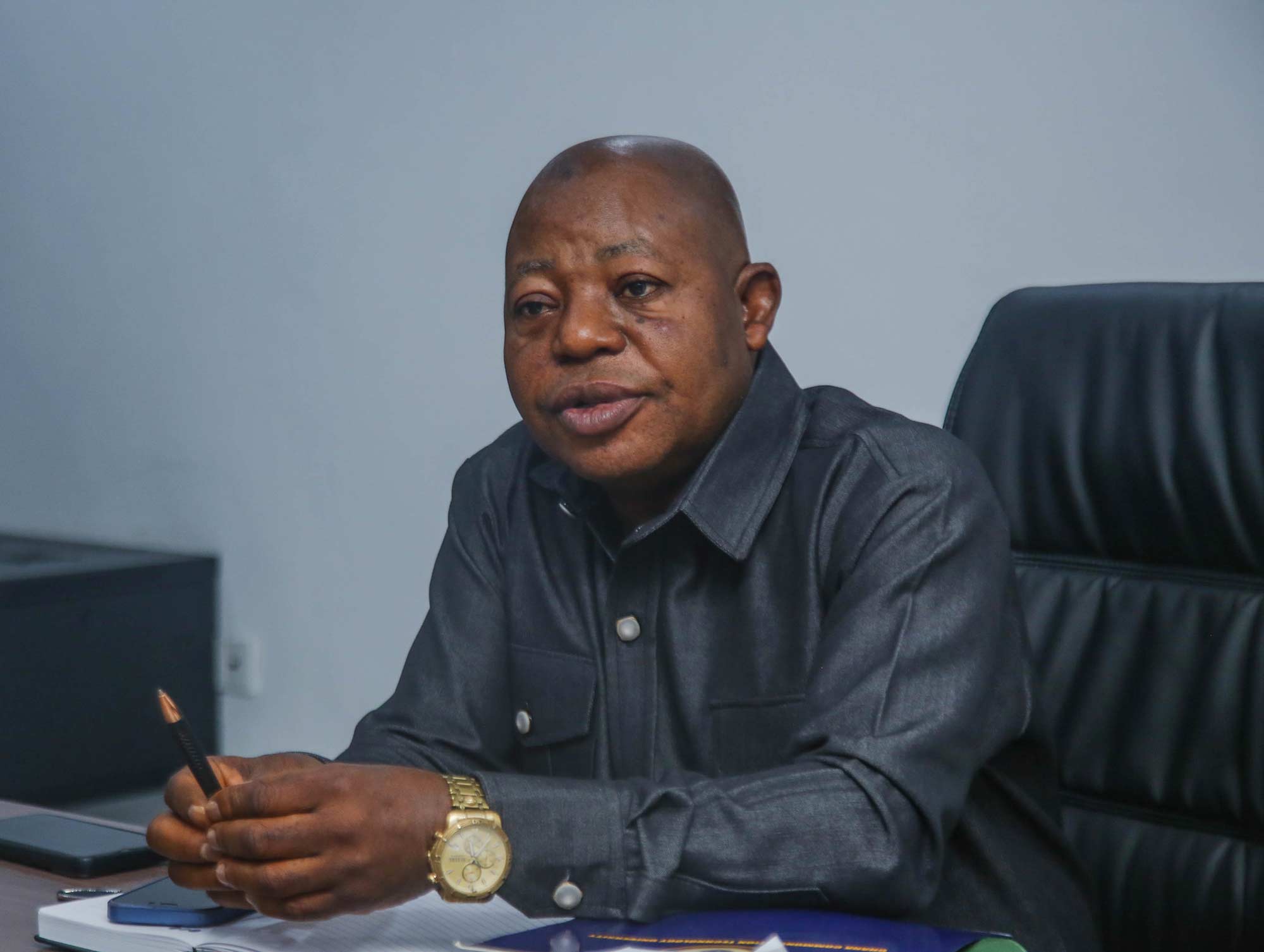
In his welcome speech, the Acting Vice-Chancellor, Prof. Malcalm expressed the University’s honour in hosting the participants and assured the collaborating organizers that management is committed to supporting the programme’s success. He added that the University’s involvement aligns with its vision of ensuring that students understand the ethical use of AI and expressed excitement at being among the four universities benefiting from the programme.
“I read the background information about the project; I see it as in line with our strategic objectives and also the goal of our university in the area of emerging technologies. AI upskilling is a significant issue for us because our university was established primarily for information and communication technology,” Prof. Malcalm said.
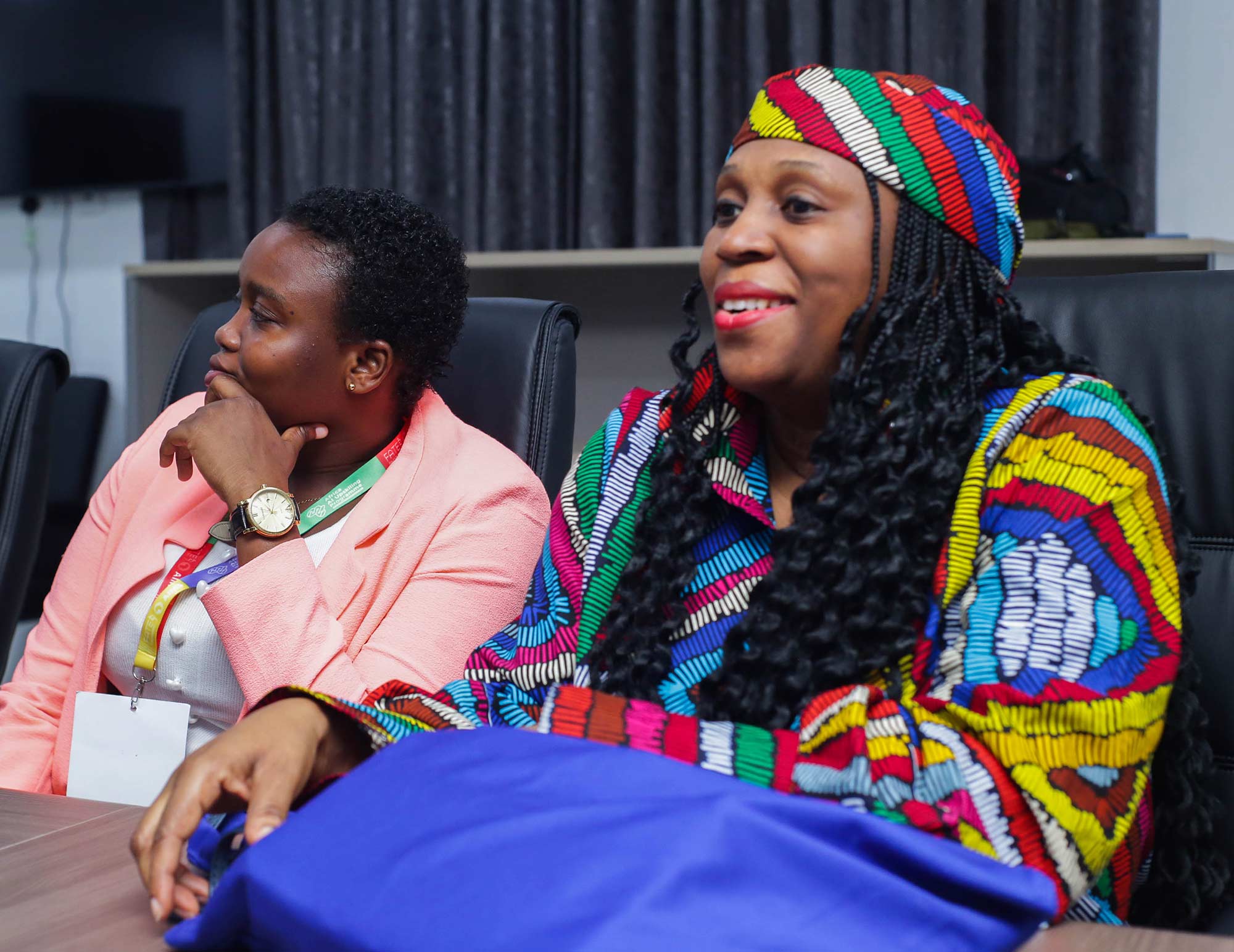
Ms. Oluchi Johnson-Achibiri noted that four African countries, Nigeria, Ghana, Kenya and South Africa are beneficiaries of the programme which aims to bring stakeholders together to strengthen university capacity and prepare educators for an AI-driven future.
She stated that the programme, which is a collaboration between the Foundation and the African Institute for Mathematical Sciences (AIMS), would equip educators and higher education institutions with advanced AI skills.
“Essentially, what we wanted to achieve with this project was to build a sustainable, scalable ecosystem for AI education across Africa. But we cannot reach everywhere at once. So, the plan was to start with four countries: Nigeria, Ghana, Kenya and South Africa. And today, we are in Ghana. We are reaching four schools,” she explained.
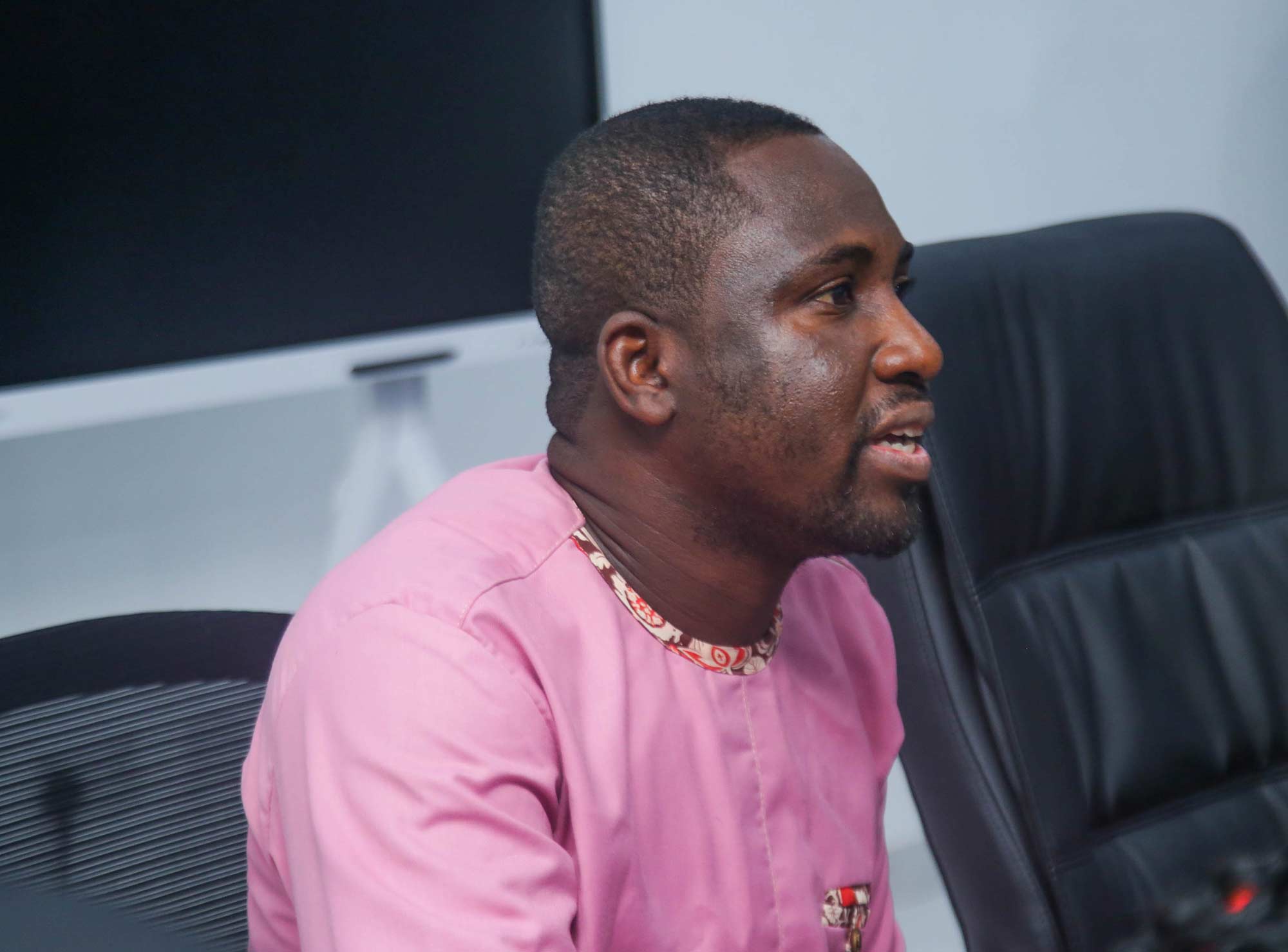
The Head of Department, Computer Engineering at GCTU, Dr. Samuel Danso, mentioned that AI upskilling forms part of the Department’s curriculum, covering topics like computer engineering, machine learning, deep learning, object detection and coding. He added that at the Master’s level, students are taught machine learning and AI.
Prof. Isaac Wiafe from Department of Computer Science, University of Ghana, expressed the pleasure of his university to participate in the training and encouraged stronger collaboration in science, technology, engineering and mathematics among universities. He stated that this would help students develop real-world problem-solving, coding and critical-thinking skills for modern careers.