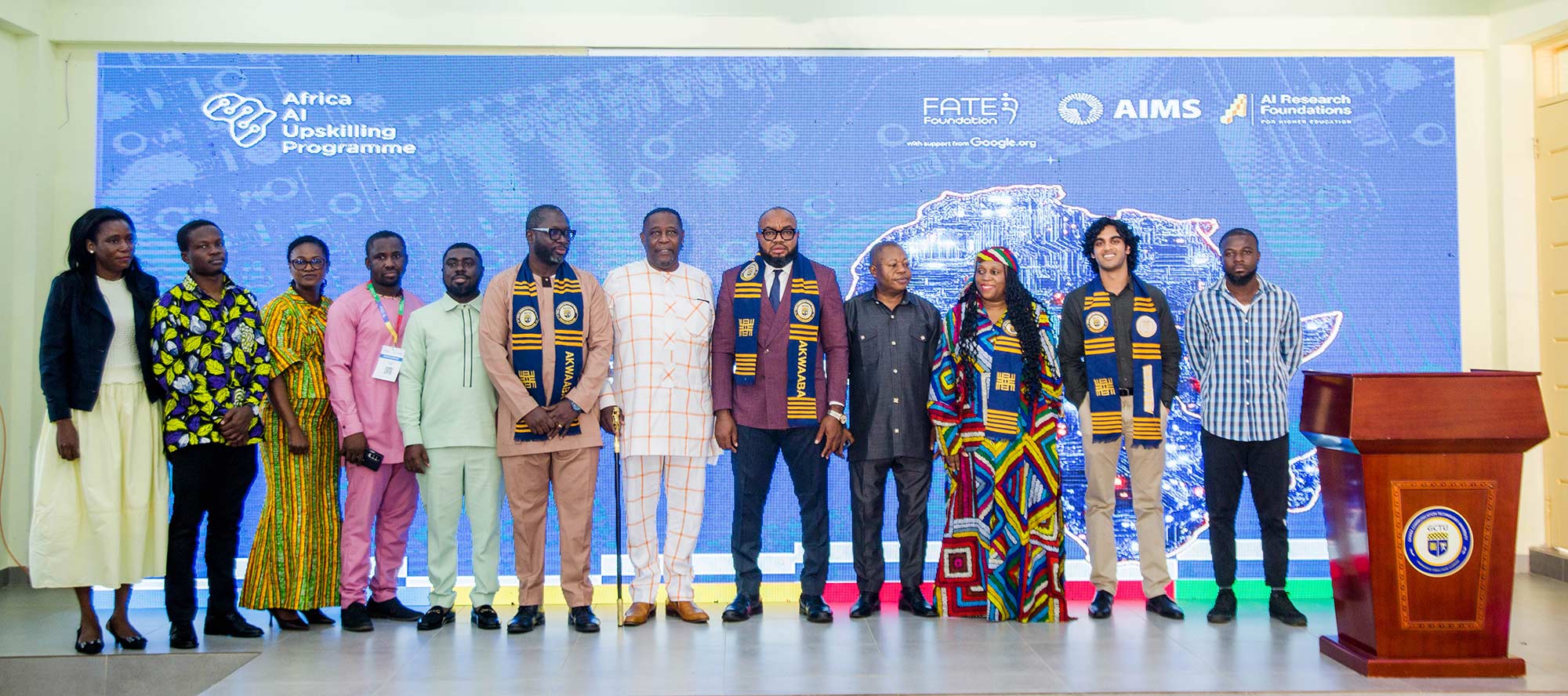

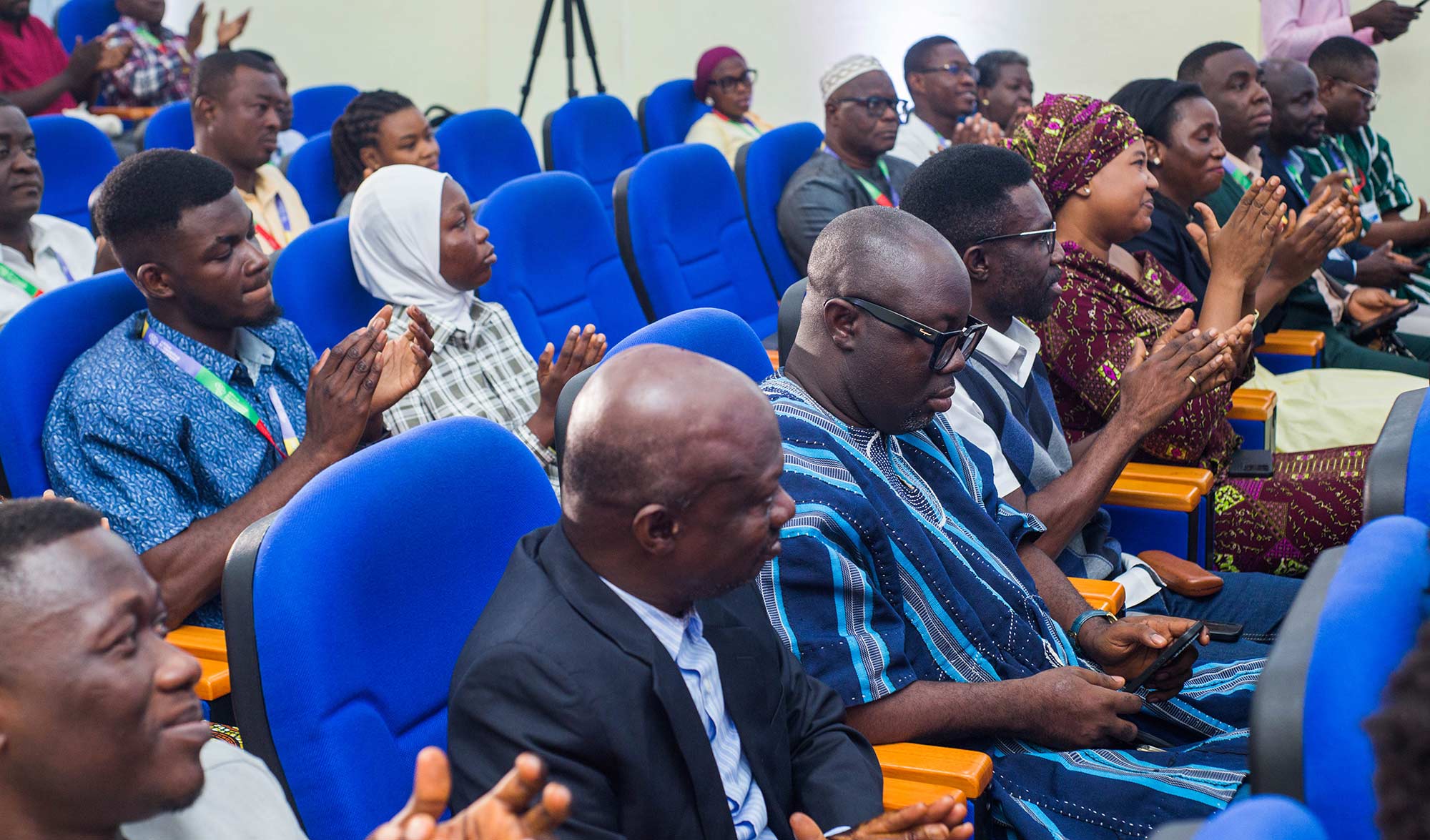
GCTU, in collaboration with Google and FATE Foundation, has launched a five-day Africa AI Upskilling training programme for students and educators from four Ghanaian universities to strengthen artificial intelligence (AI) capacity in higher education on Monday, August 24, 2026, at GCTU’s main campus.
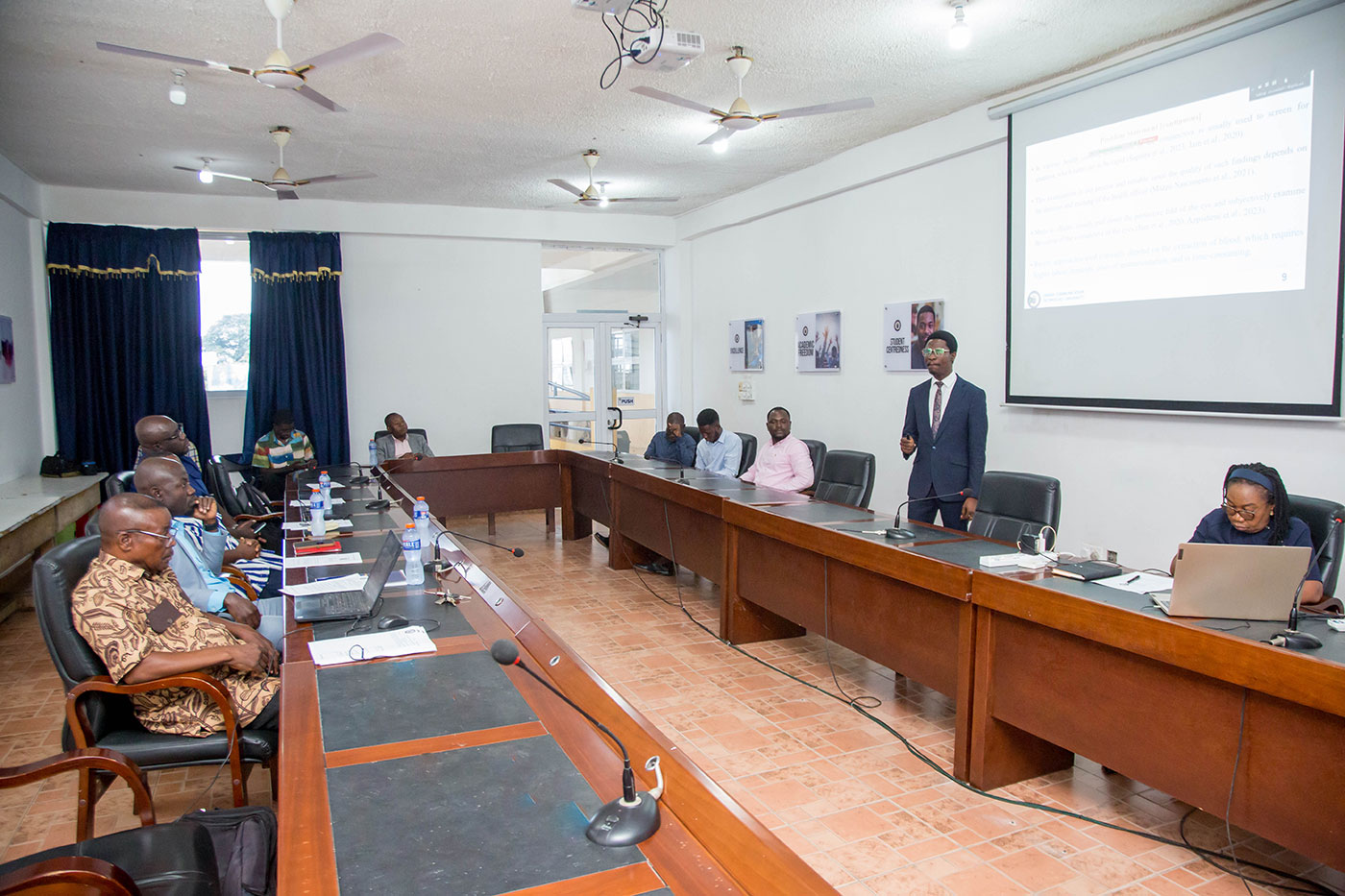
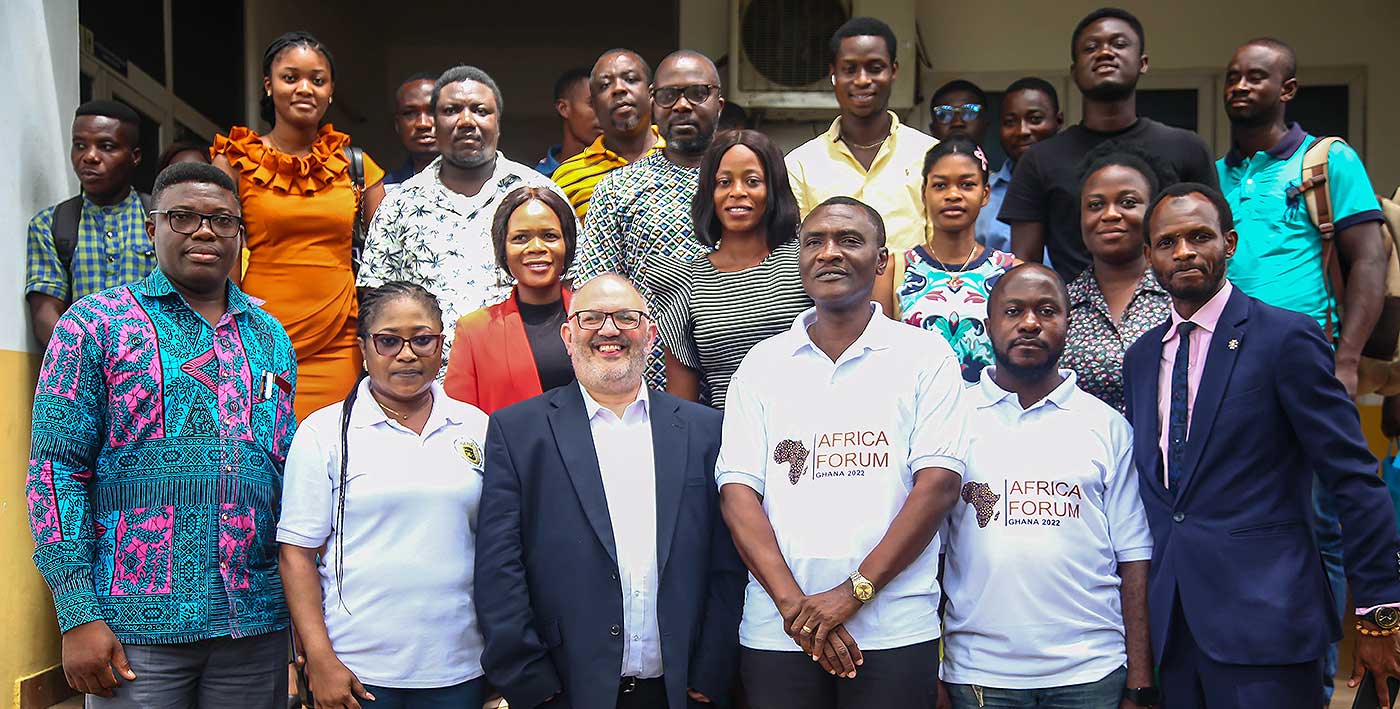
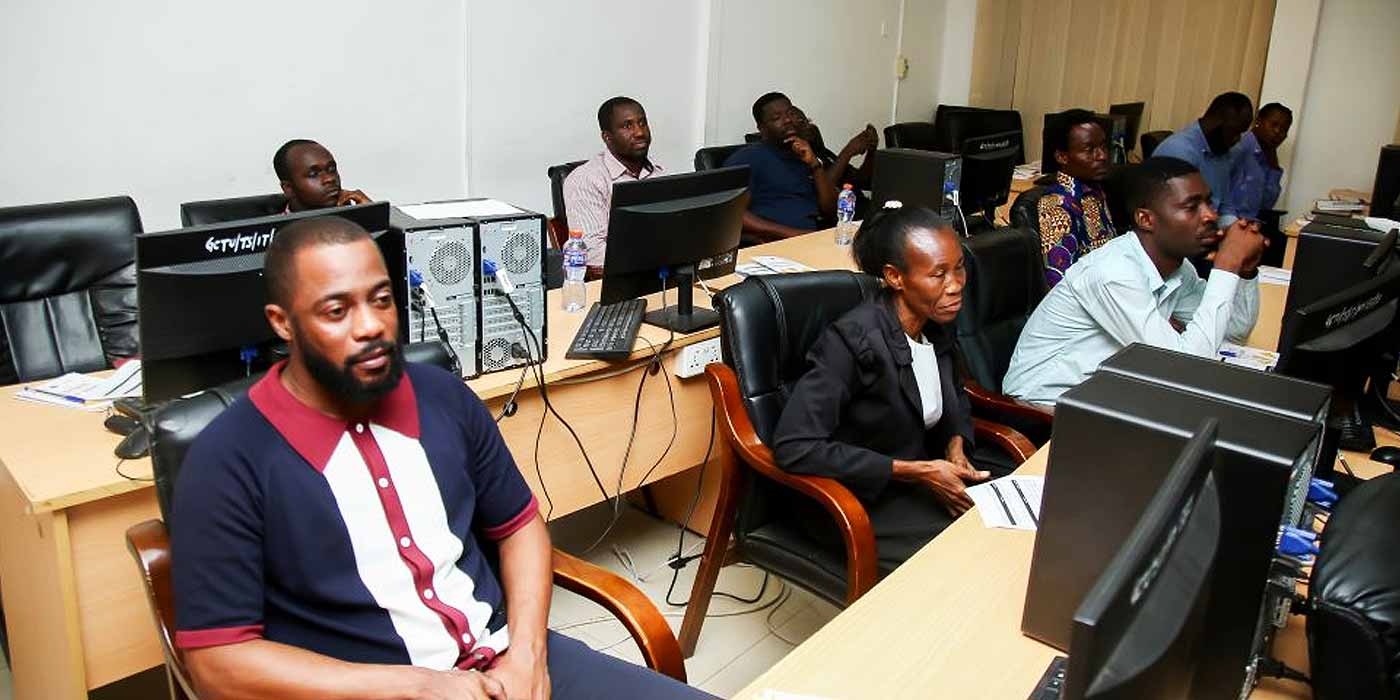
The training brings together more than 40 students and educators from the Kwame Nkrumah University of Science and Technology (KNUST), the University of Education, Winneba (UEW), the University of Ghana, Legon, and GCTU. The training is being held at the GCTU CITSET Lab.
The programme is part of a wider initiative being implemented across four African countries – Ghana, Nigeria, Kenya and South Africa – and seeks to build AI capacity within higher education institutions while promoting discussions on the ethical use of artificial intelligence.
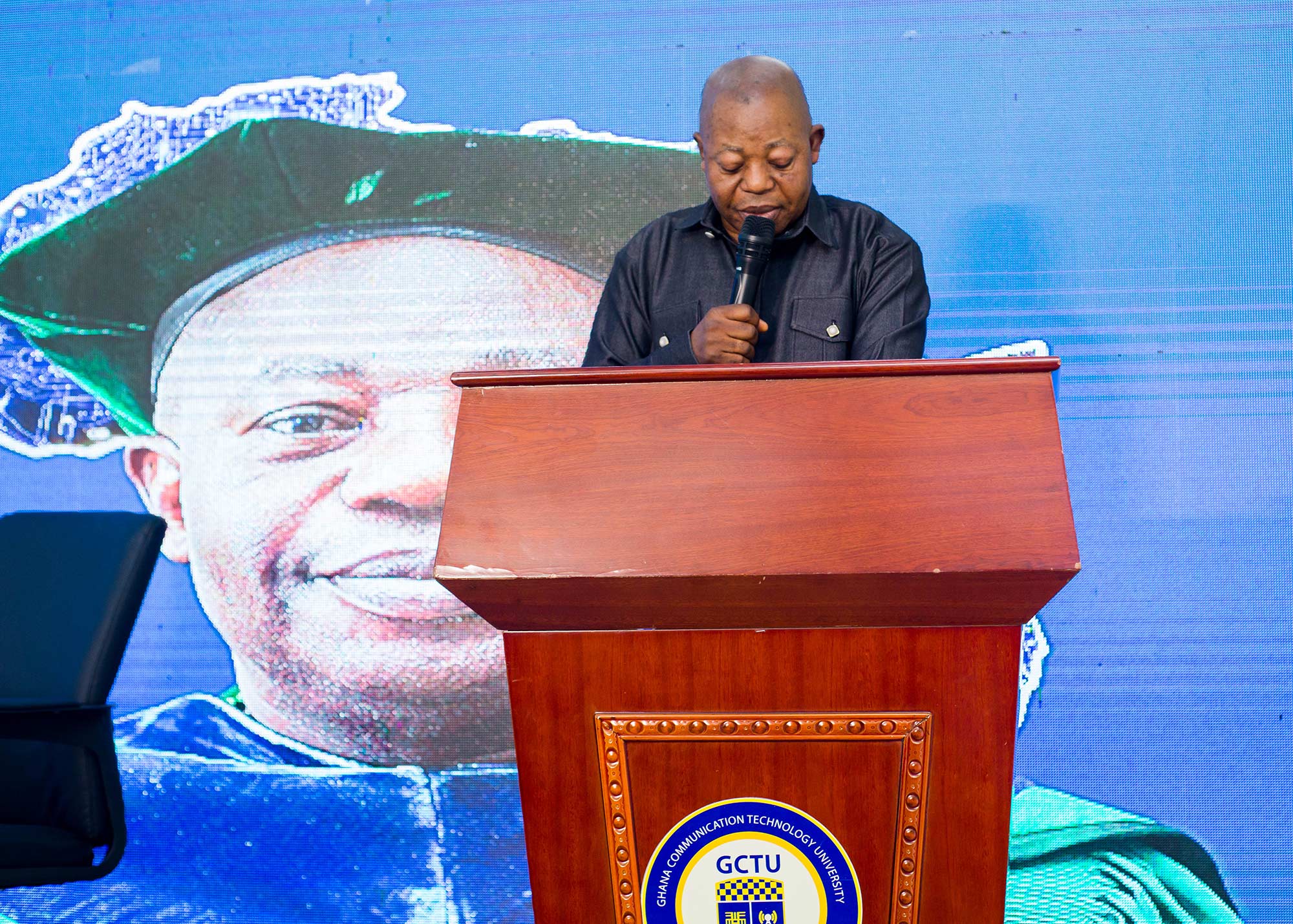
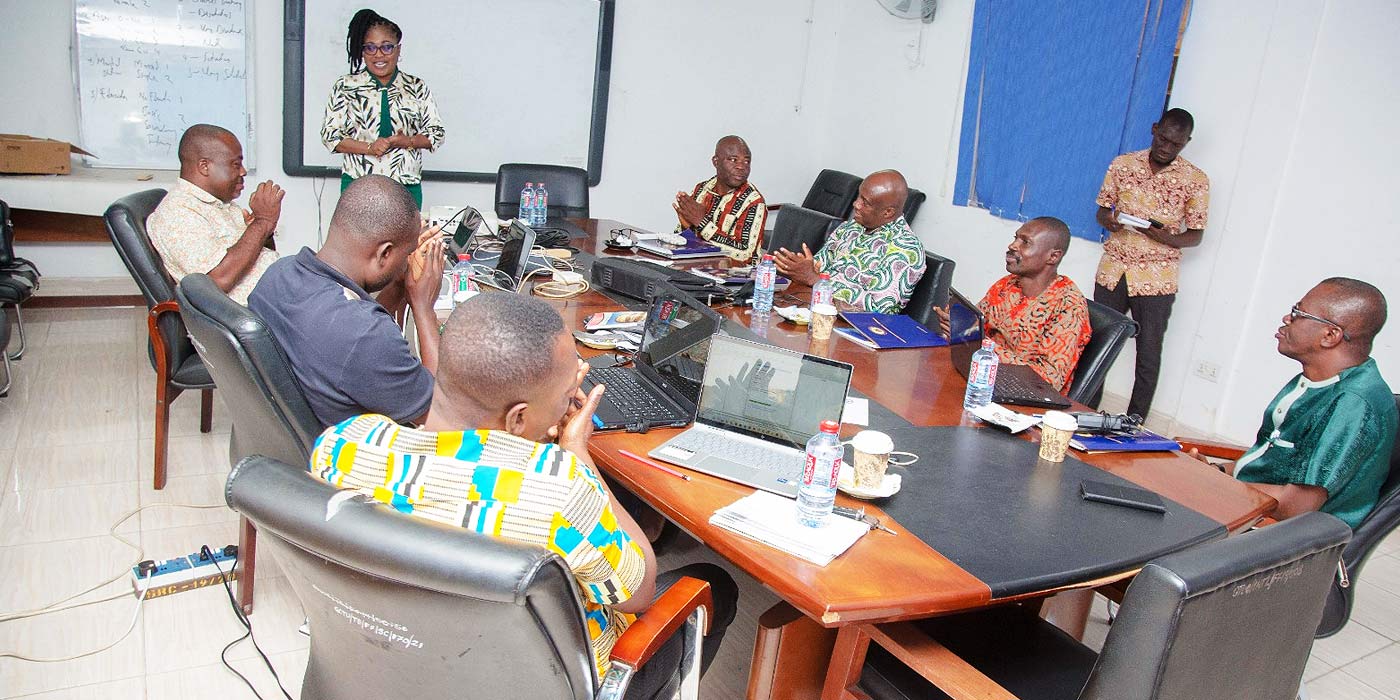
Speaking at the launch, the Acting Vice-Chancellor of GCTU, Prof. Ebenezer Malcalm, described the programme as an important milestone for the University and the wider higher education landscape in Ghana and Africa.
He said emerging technologies, particularly AI, were transforming industries, reshaping economies and redefining the future of work, adding that Africa must move beyond consuming technologies developed elsewhere to actively developing, adapting and deploying them to address local challenges.
Prof. Malcalm said the Africa AI Upscaling programme was significant because it went beyond training individuals to strengthen the capacity of higher education institutions, improve teaching and learning, promote research and foster international collaboration.
He expressed confidence that the initiative would help prepare graduates for future employment while enabling universities to remain relevant and responsive in an increasingly technology-driven world.
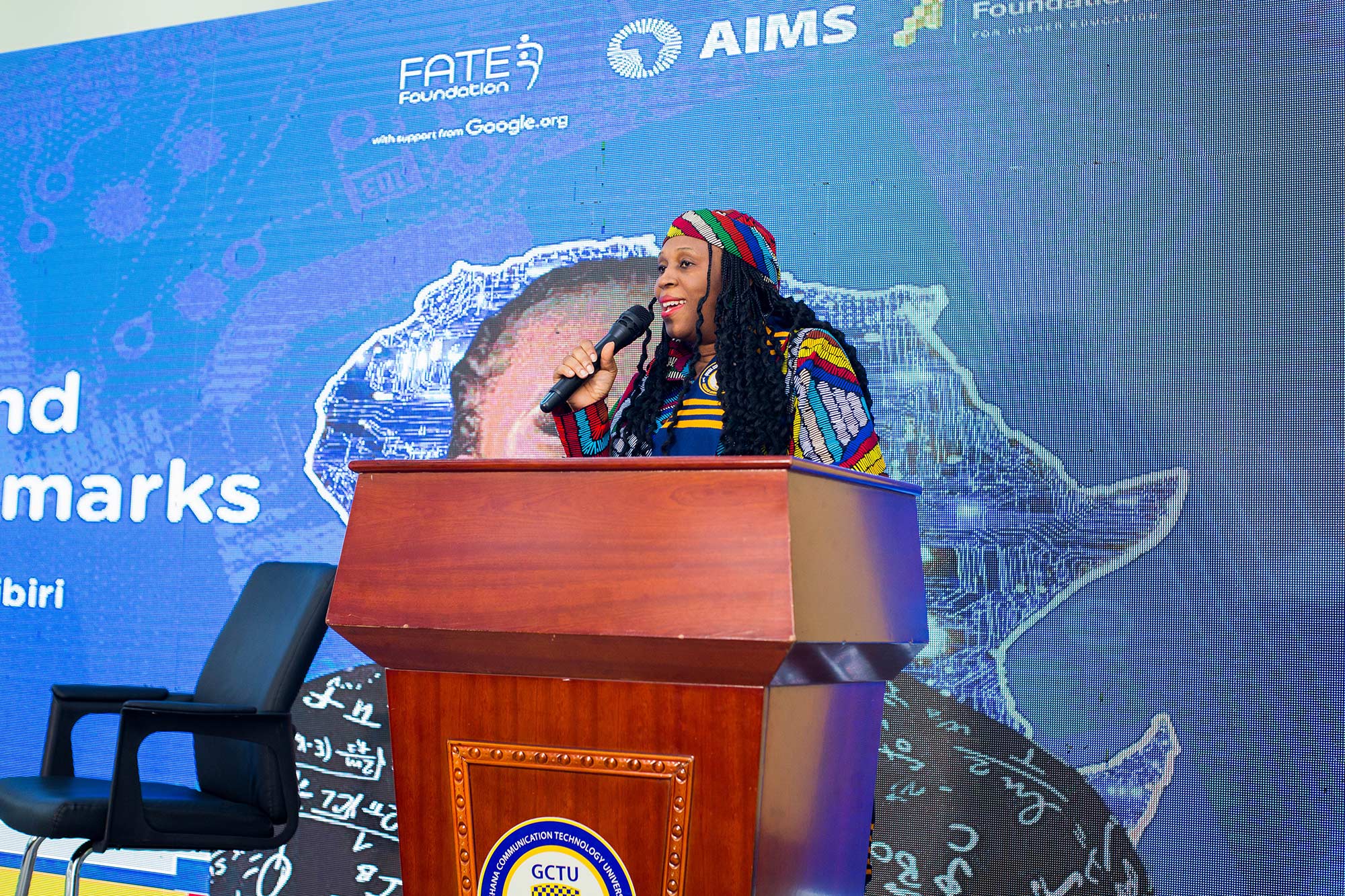
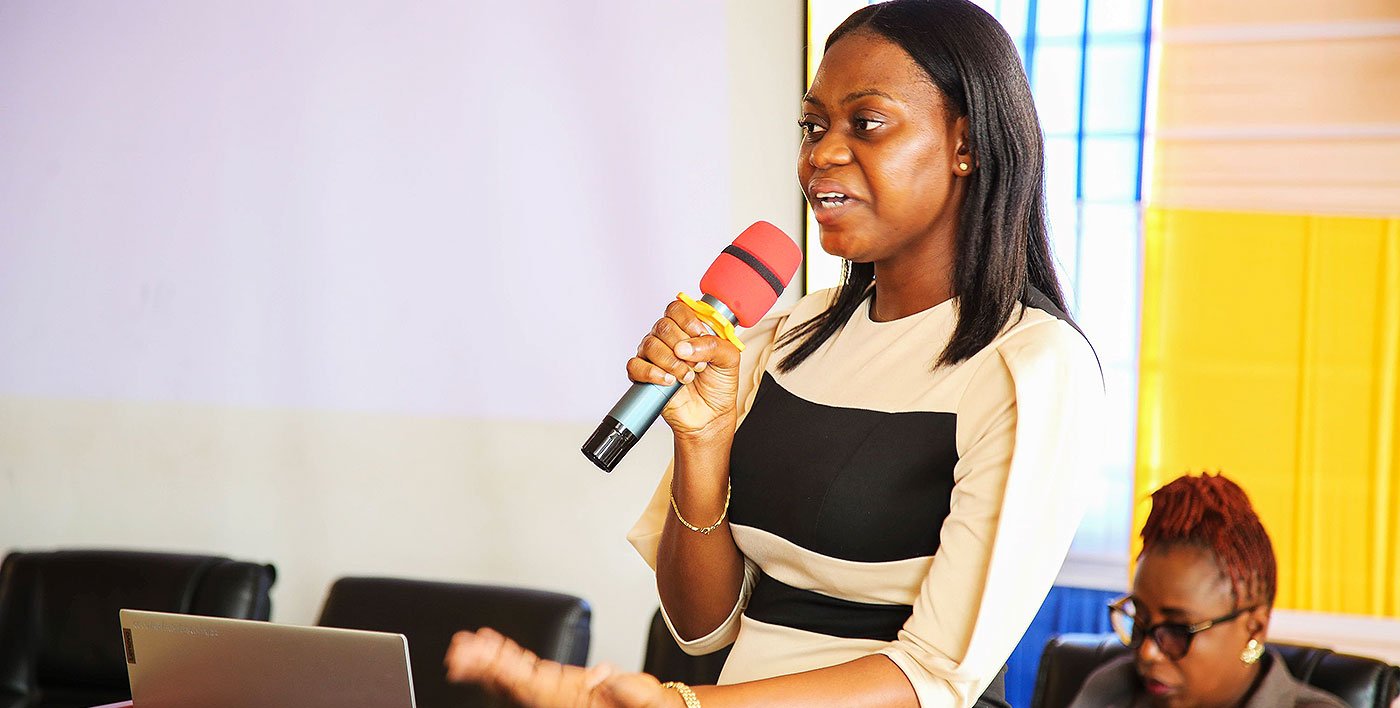
The Head of Digital Innovation at the FATE Foundation and Project Manager of the Africa AI Upscaling programme, Madam Oluchi Johnson-Achibiri, said AI presented significant opportunities to improve productivity, create employment and entrepreneurship opportunities, and develop solutions tailored to the needs of African universities.
She said the programme would adopt a train-the-trainer model designed to build institutional capacity and ensure that the benefits of the training extended beyond individual participants.
She said the foundation had received a strong response to its call for applications, describing the quality of applications as encouraging.