
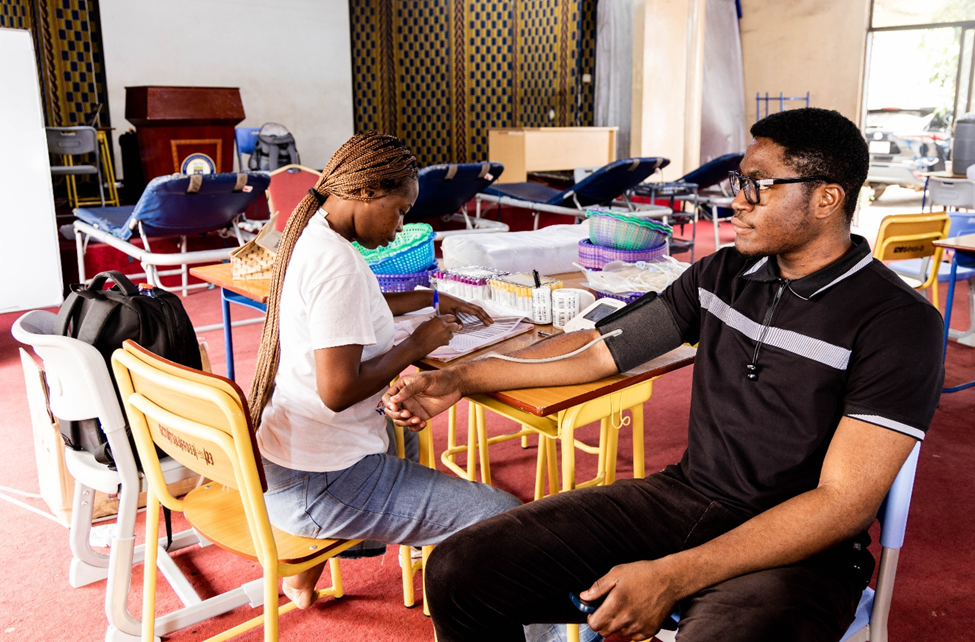
The Student Affairs Directorate of GCTU, in collaboration with the National Blood Service (NBS), has organised a free medical screening and blood donation exercise to support the replenishment of the Service, on Tuesday, November 3, 2026, at the University’s main Campus in Accra.
The exercise forms part of GCTU’s annual contribution to promoting voluntary blood donation and supporting the public’s healthcare needs.
The initiative also seeks to encourage a culture of giving while promoting the health and well-being of the University community.
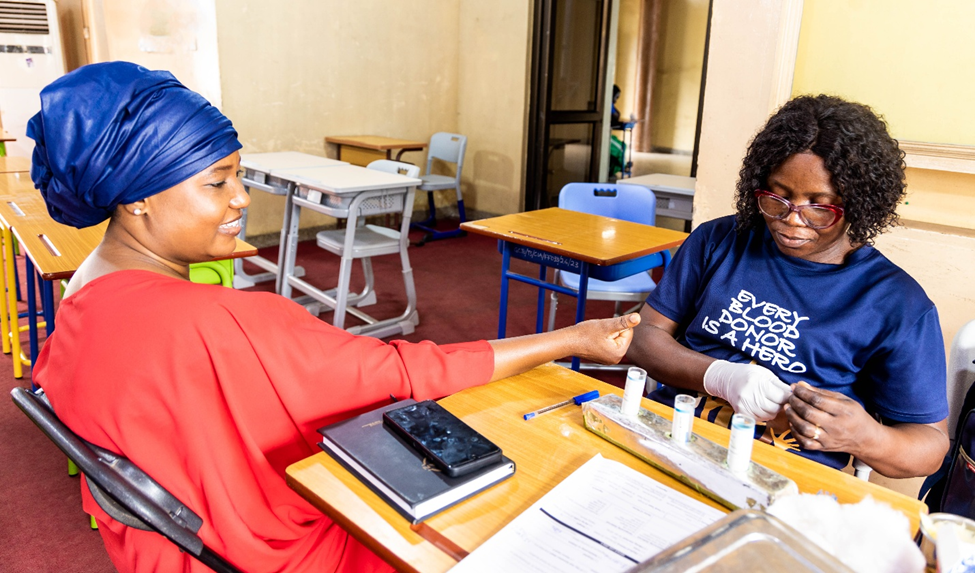
The exercise was successfully coordinated by the NBS team, which ensured that participants went through the necessary health checks to determine their eligibility to donate blood. Donors were also monitored to ensure their well-being throughout the process.
The Dean of Student Affairs, Professor Ruhiya Abubakar, said the exercise forms part of efforts by the Directorate to contribute towards the supply of blood to the NBS.
She encouraged students to take advantage of the annual exercise as it provides the opportunity for them to check their health status and where eligible, donate blood to help save lives.
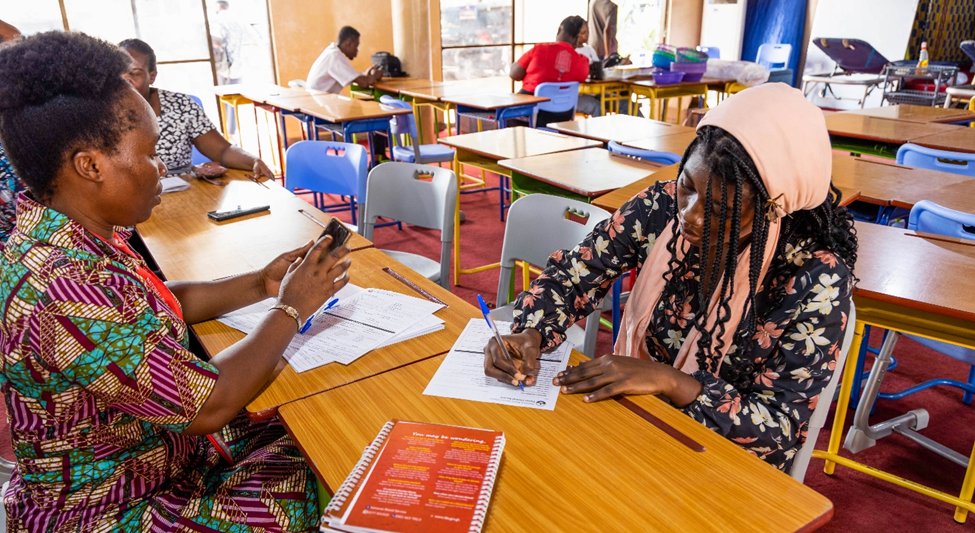
A Blood Donor Recruiter, Madam Justine Menorkpor, commended the University’s Management for its consistent support and annual organisation of the exercise, describing it as a significant contribution towards restocking the NBS.
She explained that regular blood donations play a vital role in saving lives, particularly those of accident victims and pregnant women who may require emergency blood transfusions during childbirth.
Madam Menorkpor emphasised that since blood cannot be manufactured or sold, voluntary donation remains the most reliable means of ensuring its availability for patients in need.
She further identified educational institutions as key stakeholders in the NBS blood donation campaigns, given their large student populations, and described GCTU as one of the Service’s major partners.
She therefore called on other institutions to partner with the NBS as part of their corporate social responsibility, noting that voluntary blood donation remains essential to improving healthcare delivery and saving lives.